AI & AUTOMATION

AI voice agents for remittance companies

The where-is-my-money call, answered in ten seconds, in the sender's own language. Anything disputed, financial or private is passed straight to a person on your own support team instead.

Remittance only · Fixed build fee · Human handoff on every flow

Inbound voice agent answering the three questions senders always ask

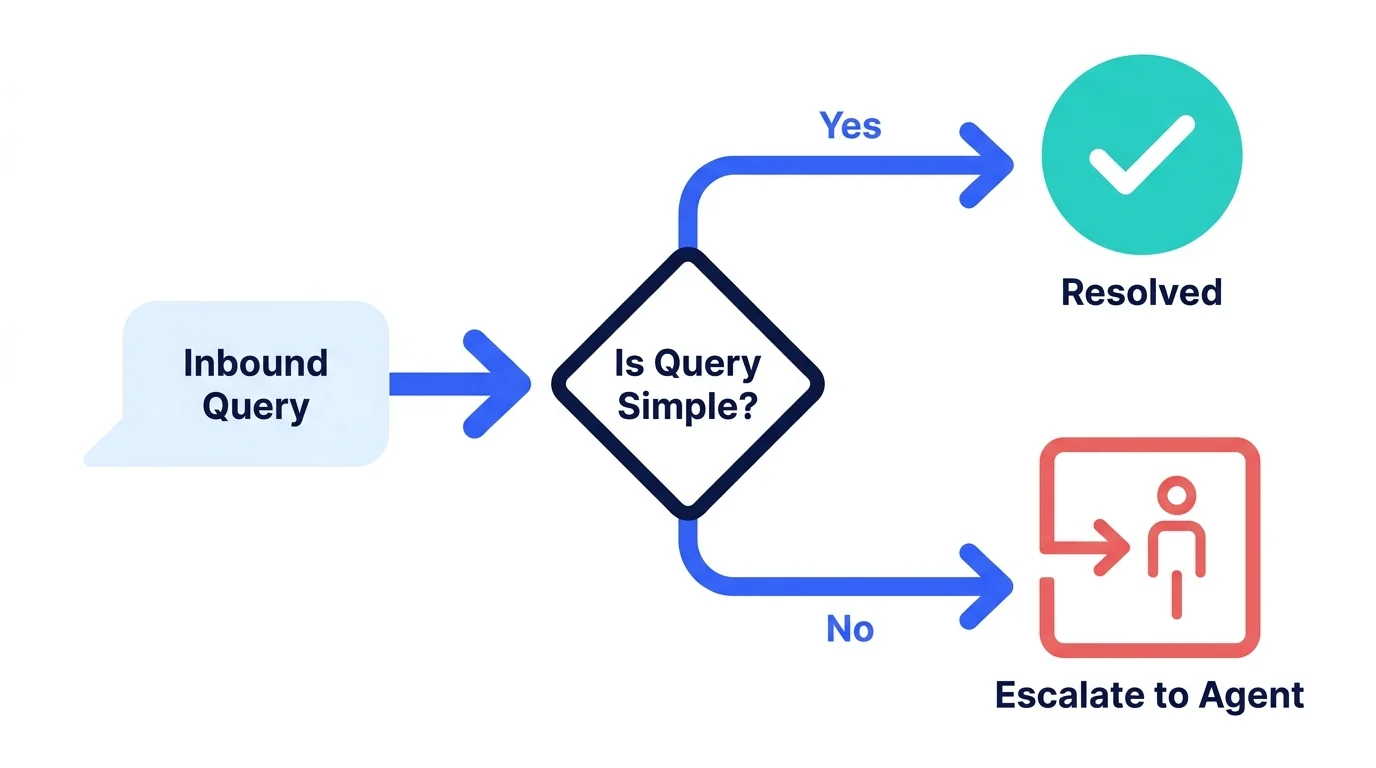
AI voice agents for remittance companies answer inbound calls at any hour of the day. They read out transfer status once a caller has been verified, explain why a document has been asked for, walk a new sender through signup, and list the payout options in a given corridor. Disputes, fraud, complaints and any case that needs a human are passed to a support agent with the call notes.

BEFORE AND AFTER

What changes in the queue

Support queues in remittance are dominated by a handful of questions. Four things change once they are answered.

Before

Queues at rate hours

Calls spike when rates move and the team cannot answer fast enough.

After

Answered in seconds

Status and rate questions are handled the moment a sender calls.

Before

English only support

Senders who cannot ask in their own language call again, or leave.

After

Nine or more languages

The corridor languages your senders actually speak are supported.

Before

Agents repeat themselves

Skilled staff spend their day reading transfer status from a screen.

After

Agents take the hard cases

People handle disputes, fraud and complaints rather than status calls.

Before

Nobody logs the reasons

Call reasons live in memory, so the same problem recurs each month.

After

Every call summarised

Reasons, intents and escalations are written into the CRM each time.

WHAT IS INCLUDED

What the build includes

Four rows of work, run in order. Nothing goes live until the escalation rules have been written down.

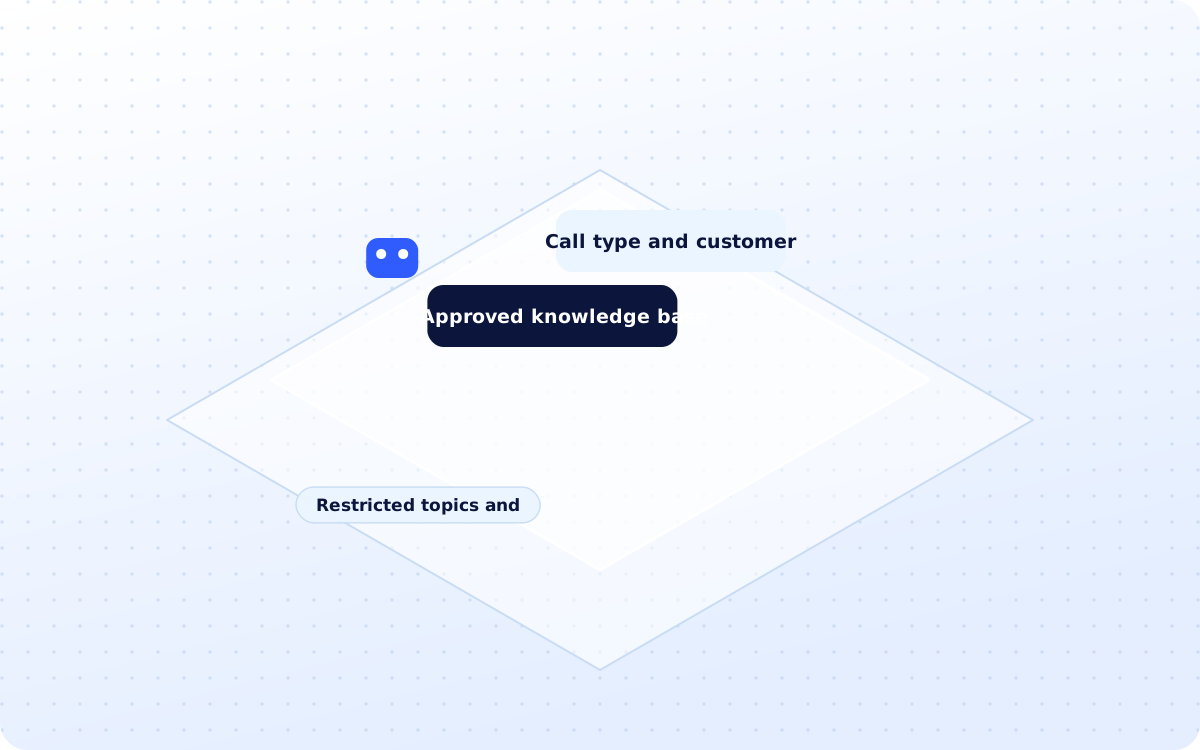
Scope, knowledge and restricted topics

Call types, intents, languages, authentication needs and escalation rules are all agreed up front. Responses are then grounded in approved content on product, corridors, fees, payout methods and support.

  • Call type and customer intent mapping
  • Approved knowledge base grounding
  • Restricted topics and escalation rules
Flow of a conversation escalating from automated agent to human

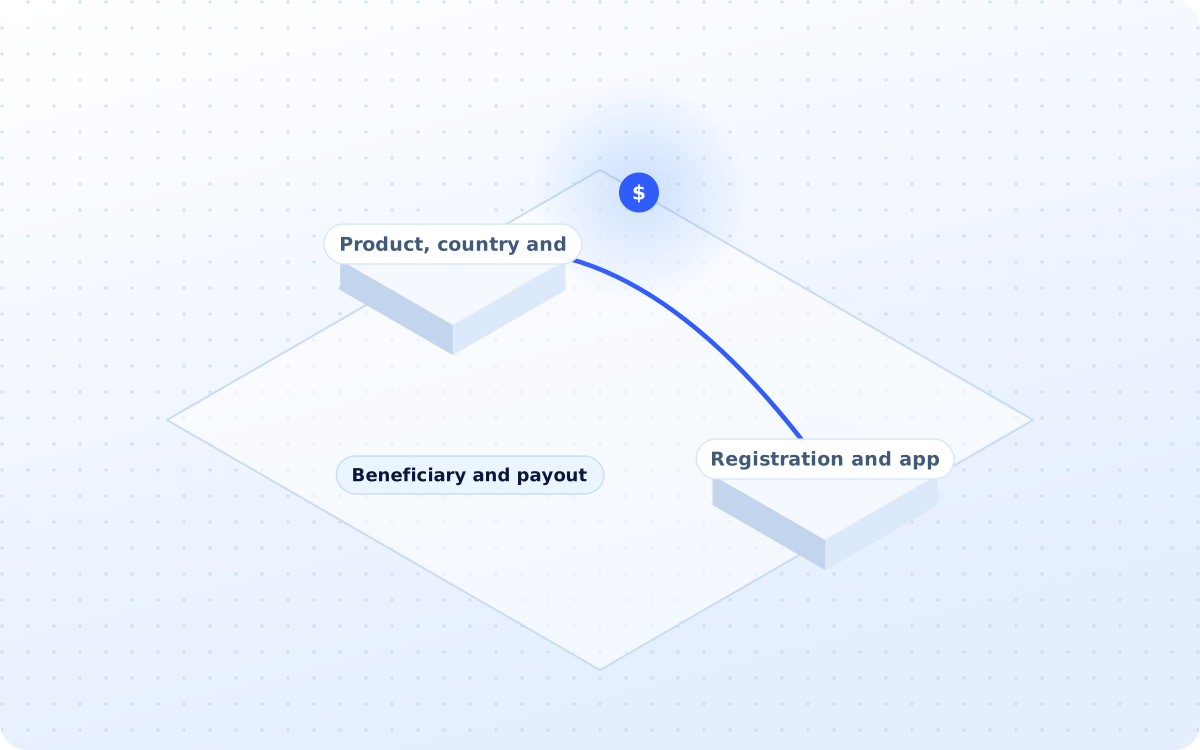
The questions the agent answers

How the service works, which countries and currencies are covered, which payout methods exist, how to register, which documents are needed and how to track a transfer. Answered in corridor languages senders use.

  • Product, country and currency questions
  • Registration and app navigation help
  • Beneficiary and payout method guidance

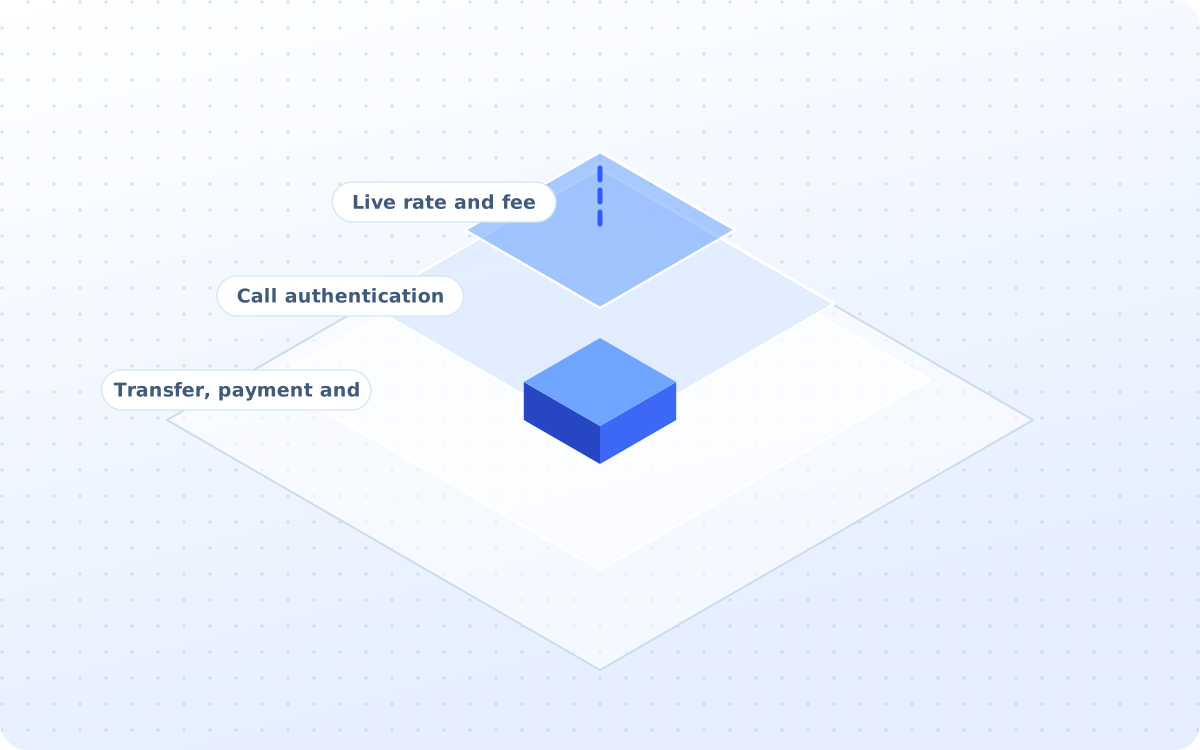
Transactions, identity and live rates

Appropriate customer authentication should occur before transaction-specific information is disclosed. Once a caller is verified, the agent reads transfer status, recipient details and why a transfer is on hold.

  • Transfer, payment and recipient status
  • Call authentication before account data
  • Live rate and fee retrieval from your system

Escalation, routing and call reporting

Disputed transactions, fraud concerns, compliance review, complaints and vulnerable customers all route to a person. Every call is summarised into the CRM with intent, actions and the escalation reason recorded.

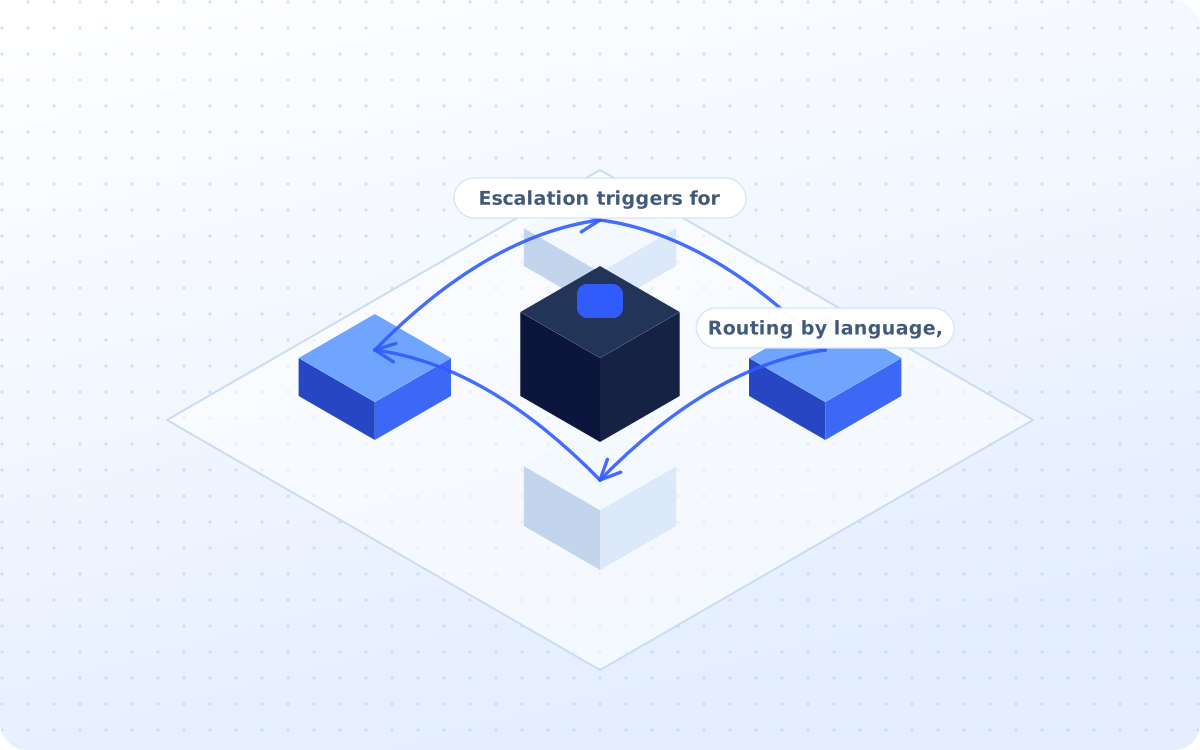
  • Escalation triggers for sensitive cases
  • Routing by language, query and priority
  • Call summaries written to the CRM
DELIVERABLES

What you actually receive

Six artefacts you can open and check. The escalation rules are the one your compliance team reads.

ONE-OFF

Voice agent scope

Call types, intents, languages, authentication needs and the metrics the voice agent is judged on.

ONE-OFF

Approved knowledge base

The product, corridor, fee and payout content the agent is allowed to answer from, and nothing else.

ONE-OFF

Escalation rule set

Which case types reach a person immediately, written down and approved before anything goes live.

ONE-OFF

Authentication design

How a caller is identified before any transaction detail is read, following your own security rules.

ON LAUNCH

Call summary templates

What gets written into the CRM after each call: intent, actions, outcome and escalation reason.

MONTHLY

Voice analytics report

Call reasons, resolution rate, escalation rate and the recurring problems that are worth fixing upstream.

HOW IT WORKS

How the agent gets built

Four stages, run in order. The escalation rules are agreed before a single call is ever answered.

Intents, languages and the agreed limits

Call reasons are categorised first, then separated into what the agent answers itself, what it assists with and what only people handle.

Workstreams
  1. 01Call type and intent classification
  2. 02Supported call language selection
  3. 03Authentication requirements are agreed
  4. 04Restricted topics written down
  5. 05Success metrics agreed upfront
CAPABILITIES

What the agent handles

Sixteen workstreams sit behind the build, and these twelve are what a sender on the phone actually experiences.

01

FAQ automation

Countries, currencies and how it works

02

Transfer status

Where the money is, after authentication

03

Registration help

Signup, verification codes and app steps

04

KYC guidance

Why documents are needed, and retries

05

Beneficiary help

Recipient details and account fields

06

Payout methods

Bank, cash pickup and mobile wallet

07

Rate and fee reads

Live figures from your own system

08

Call authentication

Identity checked before account data

09

Human escalation

Disputes, fraud and complaints routed

10

Call routing

Language, query, priority and account

11

Multilingual voice

Corridor languages your senders speak

12

Call summaries

Intent and actions written to the CRM

WAYS TO BUY

Three ways to buy this

One of these fits, whether you run a remittance app, an exchange house or an agent network.

Complete voice deployment

Scope, knowledge, integrations and escalation rules are built and launched, then reported on every month.

  • Fixed build fee, agreed before we start
  • Telephony and model costs billed to you
  • Monthly analytics and tuning included

First-line pilot build

One corridor language and the top five call reasons, live within weeks, proving the case cheaply.

  • Top five call reasons only, to start
  • One corridor language to begin with
  • Stop or scale after the first month

Design and specification

Scope, knowledge design and escalation rules, all of it delivered for your own engineers to build.

  • Specification your team can build from
  • Escalation and authentication design
  • No platform lock-in of any kind

Comparison. A generic voice vendor demonstrates an agent that cannot see a transfer. The status lookup, the authentication step and the escalation list are the whole job here.

Position. We recommend a pilot rather than a full deployment on most first engagements, which earns us less.

Where this stops
  • Licensing and AML questions go to a qualified adviser. We handle advertising and marketing compliance.

Audit line. If none of the three fits, a fixed-fee growth audit will say which one should.

PROCESS

Four steps to going live

Two fixed steps, then build and launch. A first-line pilot is usually answering calls inside six weeks.
Flow of a conversation escalating from automated agent to human
01

Classify the calls

WEEK 1-2

Every call reason sorted into automatable, assisted or human only, then ranked by volume and cost.

02

Agree the limits

WEEK 2-3

Escalation triggers, restricted topics and authentication rules signed off by your compliance team.

03

Build and connect

WEEK 3-6

Knowledge grounding, transaction lookup, CRM writing and routing built, then tested on real calls.

04

Tune and report

MONTHLY

Resolution and escalation rates reviewed monthly, with recurring problems sent back upstream.

WHAT WE CLAIM

How results get reported

No client figures appear here without written permission. These three are facts about how the build works.

16AGENT WORKSTREAMSSixteen workstreams form the service, from call strategy to voice analytics.
9TRACKED KPISNine measures are reported, from resolution rate to cost per interaction.
0KYC DECISIONSThe AI should not independently approve or reject KYC. Reviewers decide.
FAQ

Questions operators ask first

Answers come first. Where the honest answer is no, the answer says no and explains what to do.

Operators, remittance apps and payout platforms on the roster

  • SendBridge
  • SwiftLoom Pay
  • Transfeo
  • Transfera Loop
  • VaultBridge
  • Alta Remit
  • Corridor Pay
  • Corriva Pay

Marks appear once written permission is on file for each operator.

NEXT STEP

Start with your own call reasons

Your support queue already knows which ten questions to automate. Two weeks and one fixed fee will count them all and price the build honestly.

You keep the roadmap whether or not we work together.

Scroll to Top