Meta Ads for remittance companies
Meta will cheerfully spend an entire budget on app installs from audiences who never verify. Cost per first transfer is the only number that matters, not cost per install.
Remittance only · No markup on spend · Reported on first transfers

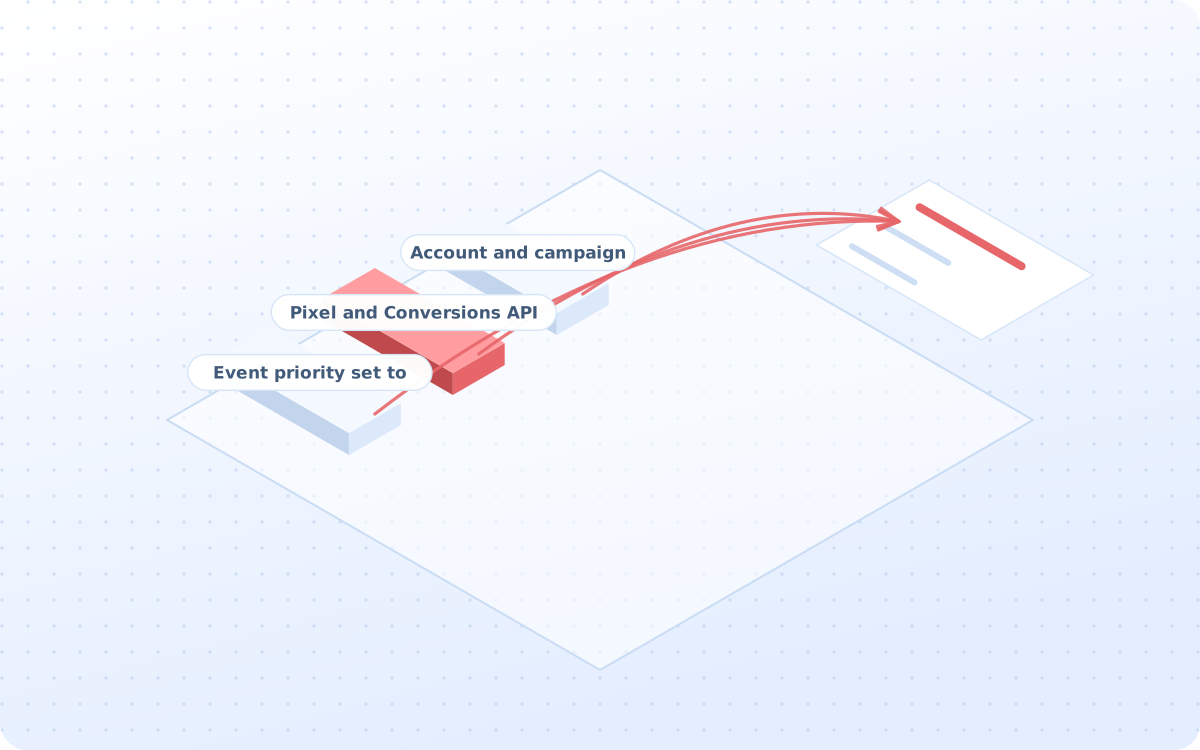
Meta Ads for remittance companies runs on corridor and diaspora audiences rather than broad fintech targeting. Prospecting brings new senders in, retargeting picks up the ones who started verification and stopped, and app campaigns are set on first transfer rather than install. Pixel and Conversions API work comes first, because none of it is measurable without clean events in place.
What changes in the account
Most remittance accounts are optimised for the install, then wonder why so few of them verify at all.
Optimised for installs
The cheapest install wins, whoever it turns out to be later.
Optimised for transfers
Bidding moves to the first transfer event, so quality decides.
One audience, everywhere
A single broad campaign runs across nine corridors at once.
Corridors kept apart
Each send and receive route gets its own budget and creative.
Pixel fires on signup
Meta optimises towards a registration that nobody ever completed.
Events sent server side
Verification and first transfer are sent through the Conversions API.
ROAS from the platform
The dashboard reports revenue your finance team has never seen.
Margin from your ledger
Spend is read against transfers that actually settled and paid.
What the Meta work covers
Four rows of work, run in order. The events are fixed before a single pound is ever spent.
Architecture, events and the plan
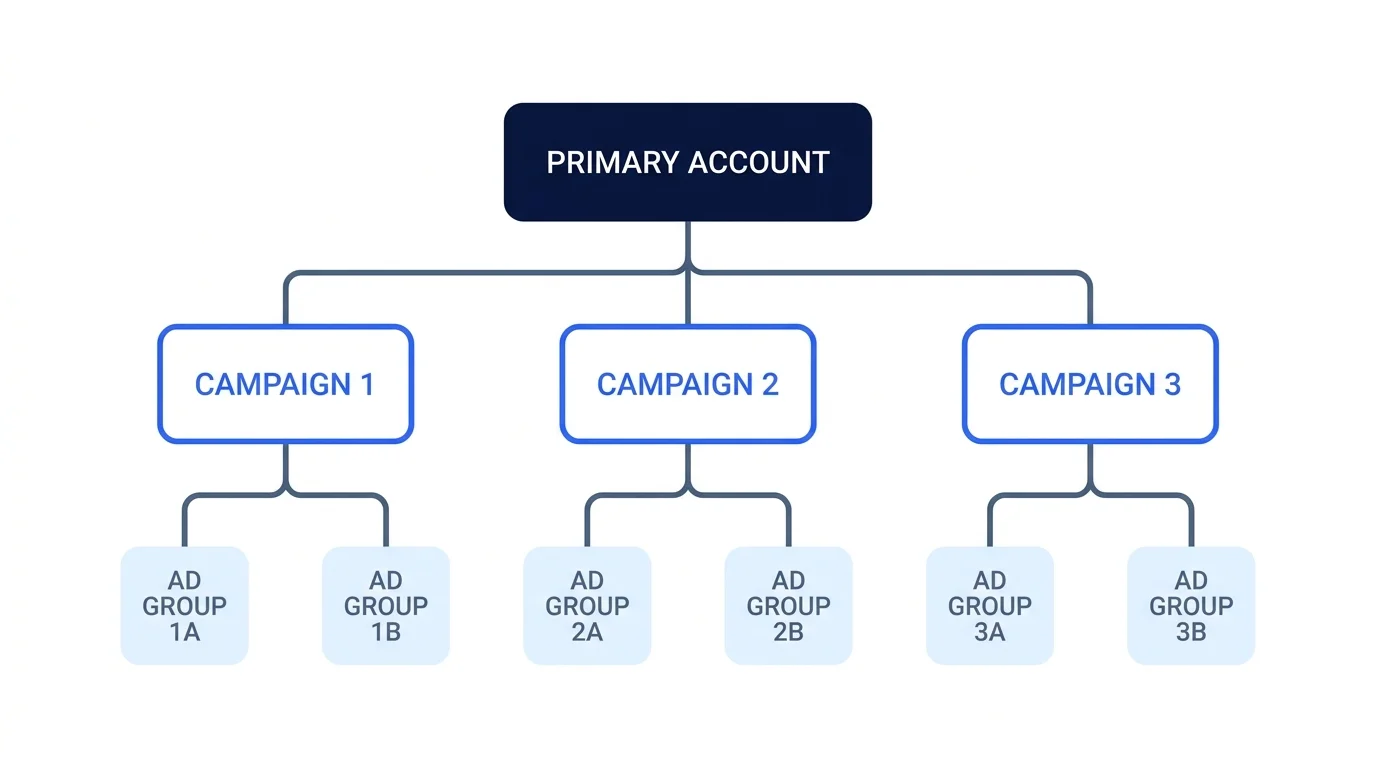
Account structure, corridor priority and the budget split are all set against a single goal. The objective should be to move audiences beyond awareness toward registration, verification, and first transfer.
- Account and campaign architecture
- Pixel and Conversions API plan
- Event priority set to transfers

Prospecting, diaspora and the corridors
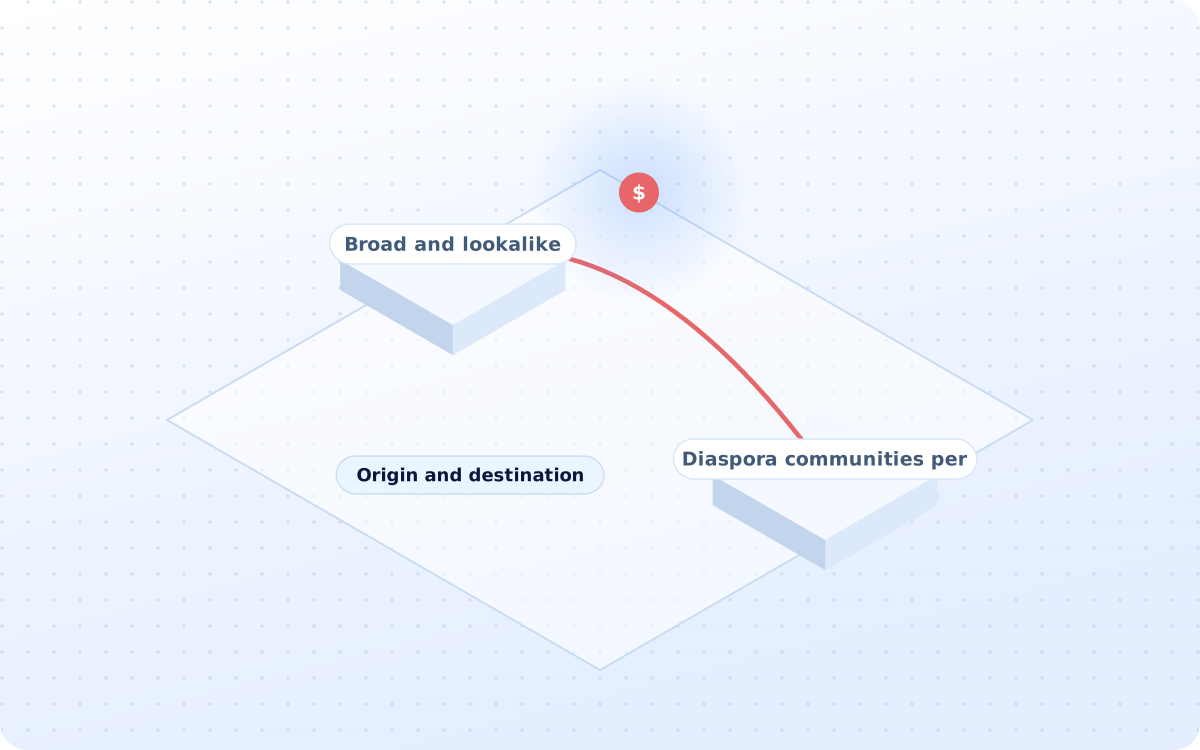
Broad, interest and lookalike audiences are built per sending community, then split by both origin and destination country. Audience targeting must remain within platform policy and applicable legal requirements.
- Broad and lookalike prospecting
- Diaspora communities per market
- Origin and destination campaigns
Retargeting and the app funnel
Anybody who viewed a corridor page, started signup, abandoned verification or installed without sending gets a different ad and its own offer. Subject to consent, privacy requirements, and platform capabilities.
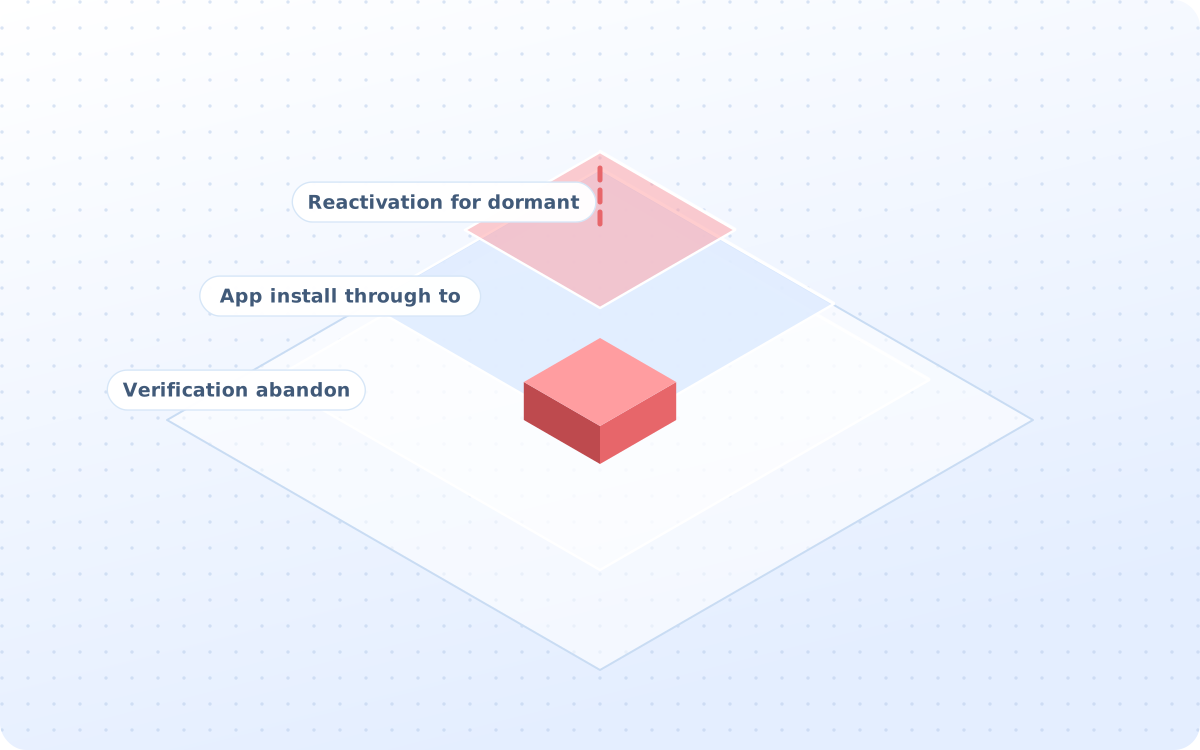
- Verification abandon retargeting sets
- App install through to first transfer
- Reactivation for dormant senders
Creative, offers and the budget
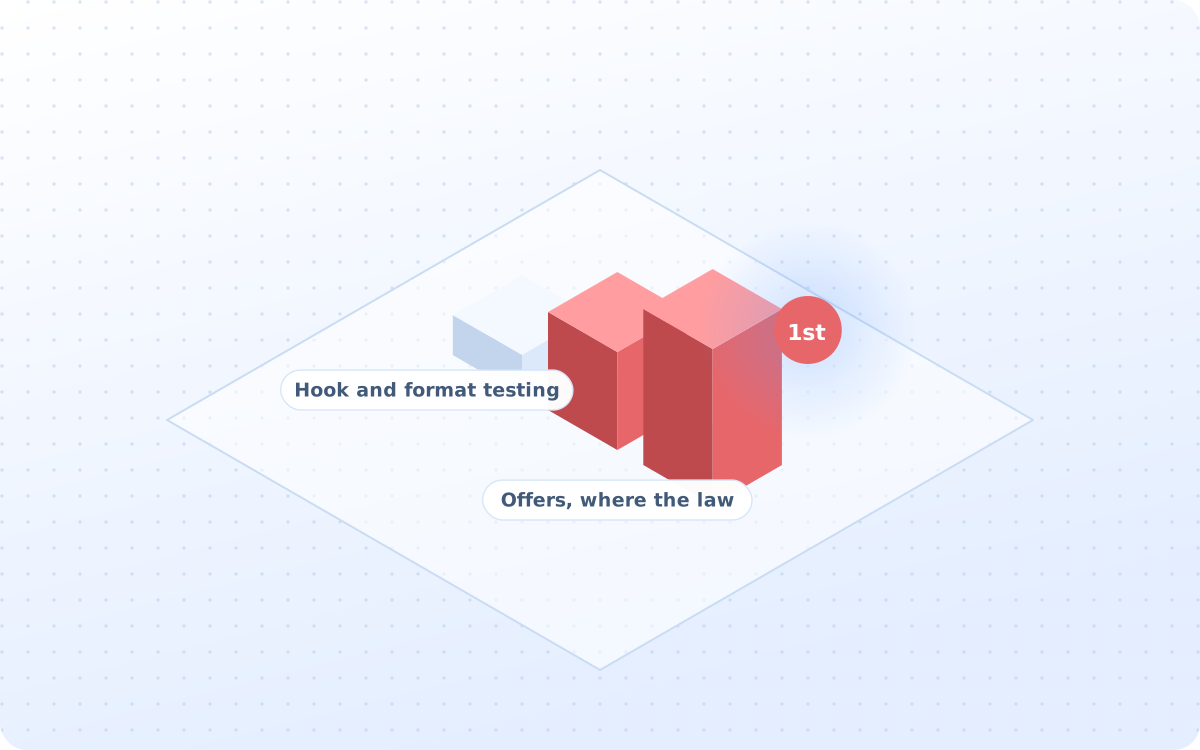
Hooks, static, carousel and short video are tested one variable at a time. Fee and first transfer offers run where commercially and legally appropriate, with budget moved to whatever produces senders.
- Hook and format testing per week
- Offers, where the law allows them
- Budget moved to whatever converts
What you actually receive
Six artefacts, all of them yours to keep. The event plan is the one your developer will need.
Account architecture
The campaign structure, the ad set splits and the budget behind each, with reasons attached.

Corridor campaign map
Which send and receive routes get their own campaign, and which ones share a budget for now.
Event and pixel plan
Which events fire, in what order, and how the Conversions API sends them server side to Meta.
Creative brief pack
The hooks, the headlines, the primary text and the formats each corridor needs, ready to produce.
Testing roadmap
What gets tested each week, in what order, so one result never masks the reading of another.
Corridor spend report
Spend, cost per registration and cost per first transfer, all split by corridor each month.
How the account gets run
Four stages, run in order. Nothing gets scaled until the first transfer event is firing cleanly every time.
The events, before any of the money moves
Pixel events, the Conversions API and deduplication are set up first, because bidding on a signup nobody completes wastes the whole budget.
- 01Pixel and event mapping agreed
- 02Conversions API guidance given
- 03Deduplication checked line by line
- 04Event priority set for transfers
- 05Conversion QA before any launch
The audiences that are worth paying for
Broad, interest and lookalike audiences are built per diaspora community, then corridor campaigns run separately so each route reads on its own.
- 01Broad and interest prospecting
- 02Lookalikes built from sender value
- 03Diaspora community targeting sets
- 04Origin country campaign builds
- 05Destination country messaging work
The people who nearly signed up already
Site visitors, corridor page readers, abandoned verifications and installs without a transfer each get their own audience and their own offer.
- 01Website and corridor page visitors
- 02Signup and verification abandons
- 03App install through to registration
- 04First transfer campaign builds
- 05Reactivation of quiet accounts
Creative, offers and where money goes
Creative is tested weekly, offers run where they are allowed, and budget moves towards the corridors producing verified senders not cheap clicks.
- 01Weekly creative testing schedule
- 02Offer campaigns, where allowed
- 03Budget moved between corridors
- 04Frequency watched per audience
- 05Creative scaled only once it works
What the account actually does
Twelve groups of work sit behind the service, and these twelve are what the money actually buys.
Corridor targeting
Origin and destination, kept apart
Diaspora audiences
Sending communities, not countries
Prospecting sets
Broad, interest and lookalike
Retargeting sets
Everyone who nearly finished
App campaigns
Installs judged on first transfers
Creative strategy
Static, carousel, video and UGC
Ad copywriting
Hooks, headlines and primary text
Offer campaigns
Fee and first transfer promotions
Pixel and CAPI
Events sent from your server
Campaign testing
One variable, every single week
Budget management
Money follows verified senders
Three ways to buy this
One of these will fit, whether the monthly budget is five thousand or five hundred thousand pounds.
Full account management
The strategy, the build, the creative briefs and the testing, run every month against first transfers.
- Monthly fee, no markup on spend
- Your ad account, your pixel data
- Reported on cost per first transfer
Corridor launch sprint
One corridor built, launched and read over eight weeks, then handed straight back over to you.
- One fixed fee for the whole sprint
- Eight weeks from start to finish
- Account handed back afterwards
Complete account audit
What the structure, the events and the creative are costing you, in a single written report.
- Two weeks, priced before we start
- Event tracking checked properly
- No obligation to continue after
Comparison. A general agency will optimise for the cheapest install. Meta Ads for remittance companies bids on the first transfer, because installs do not send money.
Position. Most operators should fix the verification screen before adding budget, and that costs less.
- Licensing and AML questions go to a qualified adviser. We handle advertising and marketing compliance.
Audit line. If none of the three fits, a fixed-fee growth audit will say which one should.
Four steps to first spend
Two weeks of setup, and then live. Meaningful readings on cost per transfer take a full month.

Fix the tracking
WEEK 1Pixel, events and the Conversions API checked before any campaign is switched on at all.
Build the account
WEEK 2Campaigns, audiences and budgets structured by corridor, with the goal set on transfers.
Launch and learn
WEEK 3-6Prospecting and retargeting go live together, with creative tested one variable each week.
Move the money
MONTHLYBudget shifts monthly towards the corridors producing verified senders, not cheap clicks.
How results get reported
No client figure appears without written permission. These three are facts about how the work is run.
Services that pair with this
Meta Ads buy you the audience. These three decide whether the click ever turns into a transfer.
The demand that already exists, from the senders searching for a rate at this exact moment.
Learn moreTikTok AdsThe cheaper reach, where a corridor audience will watch a video before they think to search.
Learn moreThe verification screen where the paid traffic actually dies, fixed before the budget grows.
Questions operators ask first
Answers come first. Where the honest answer is no, it says no and explains what to do instead.
Yes. Meta Ads for remittance companies is all that gets run, so corridor targeting and financial services policy are already familiar.
Both. App-led operators run install and app event campaigns. Agent-led operators run lead and traffic campaigns that end at a branch rather than a download.
Yes. Each send and receive route gets its own campaign, creative and budget, because a Nigeria route and a Philippines route behave nothing alike.
Yes. Corridors are kept in separate campaigns so budget can move between them, rather than one broad campaign hiding which route actually works.
Audience targeting must remain within platform policy and applicable legal requirements. Offers run where commercially and legally appropriate. Licensing and AML go to a qualified adviser.
Ad account access, pixel access, your corridor list, current cost per registration if you track it, and whoever signs off creative and compliance.
Two weeks to fix tracking and build, then live. Reliable cost per first transfer readings need a full month of spend behind them.
Yes. Events are sent through the Conversions API from your own systems, so registration, verification and first transfer appear against the campaign that caused them.
Yes, where your systems allow it. Verification and first transfer events can be passed back server side, which is what lets bidding optimise on senders.
Yes. Dormant senders can be retargeted with corridor and fee messages, though email and push usually move send frequency more cheaply than paid does.
Through server side events and campaign tagging, so a first transfer is attributed to the campaign, the audience and the creative that produced it.
Monthly: CPM, CTR, cost per registration, cost per verified customer and cost per first transfer, split by corridor rather than blended into one figure.
Margin from transfers attributed to the account, against spend and fee. Meta Ads for remittance companies is judged on cost per first transfer, not on ROAS.
By bidding on the transfer event rather than the install, and by retargeting the people who abandoned verification while the intent is still warm.
Only through retargeting existing senders with corridor offers. Repeat sending responds far more to lifecycle email and push than to paid social.
Operators, remittance apps and payout platforms on the roster
Marks appear once written permission is on file for each operator.
Start with the tracking, not spend
If the pixel is firing on the wrong event, more budget simply buys more of the wrong audiences. A fixed-fee growth audit will show you which.
You keep the event plan whether or not we work together.