MARKETING

MTO retention and reactivation campaigns

Acquisition buys the first transfer. The second one, and the twelfth, come from knowing which senders are slowing down and reaching them before they stop sending with you altogether.

Remittance only · Windows from your data · Reported on repeat sends

Lapsed senders returning to a regular sending cadence

Retention campaigns for remittance companies work on the second transfer, then the tenth. Senders are grouped by how often they send, which corridor they use and how long it has been since the last one. Second transfer prompts, payday and occasion campaigns, and win-back offers for accounts that have gone quiet. Windows come from your own transaction record, not from a template.

BEFORE AND AFTER

What changes after send one

Most operators spend everything on the first transfer and almost nothing on the second. Four things change.

Before

Everyone gets the same

A weekly sender and a dormant one get the same campaign.

After

Grouped by frequency

Segments run on send frequency, corridor and time since last send.

Before

Dormant means 90 days

A fixed window is applied whatever the corridor actually does.

After

Dormant means your data

A monthly payday corridor and a school fees one differ, so windows differ.

Before

One channel only

Email goes out, and the senders who never open it are lost.

After

Four channels, planned

Email, SMS, push and remarketing are sequenced, not fired at once.

Before

Churn is a surprise

Nobody notices a sender slowing down until they have gone.

After

Decline is a trigger

A drop in send frequency starts a campaign, not a post-mortem.

WHAT IS INCLUDED

What the retention work covers

Four rows of work, run in order. The inactivity windows are set from your data, not ours.

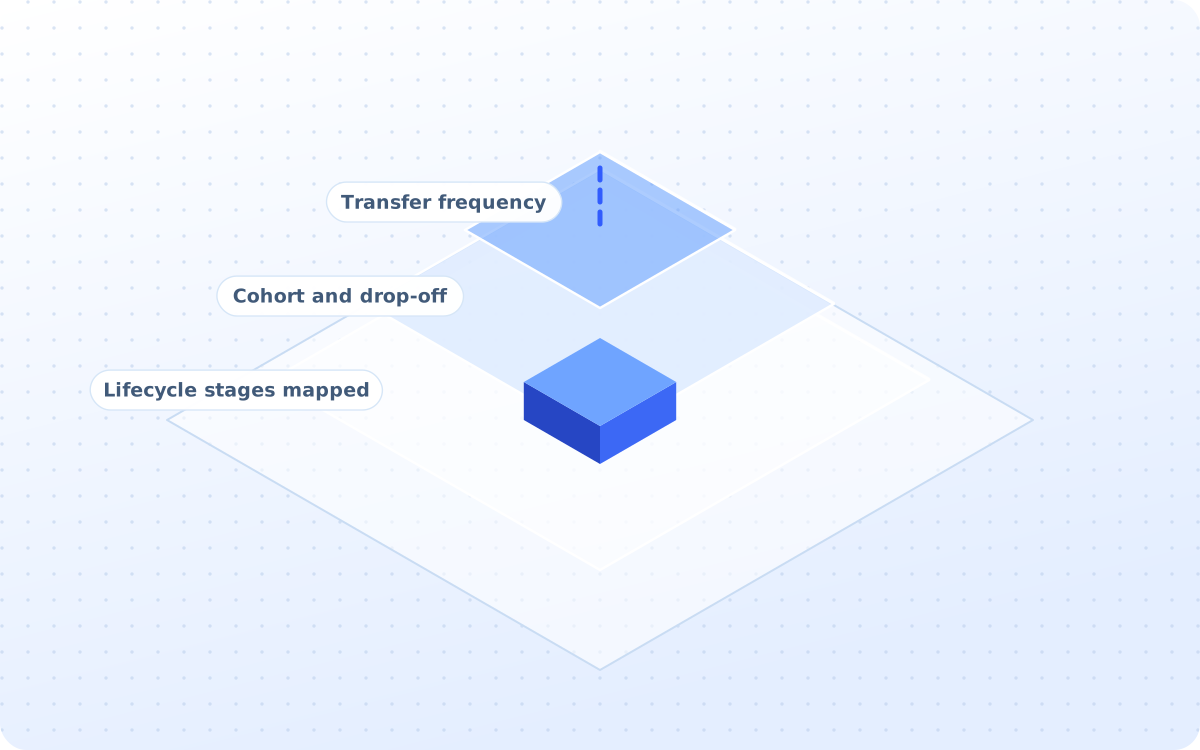
Map of lifecycle triggers firing from sender behaviour and transfer state

The lifecycle and where it breaks

Every account is placed on the lifecycle: registered, verified, first transfer, second, repeat, high frequency, declining, dormant. Cohort and drop-off analysis then shows which stage loses the most senders.

  • Lifecycle stages mapped per account
  • Cohort and drop-off analysis run
  • Transfer frequency decline tracked
Retention curve showing repeat send rate declining across sender cohorts

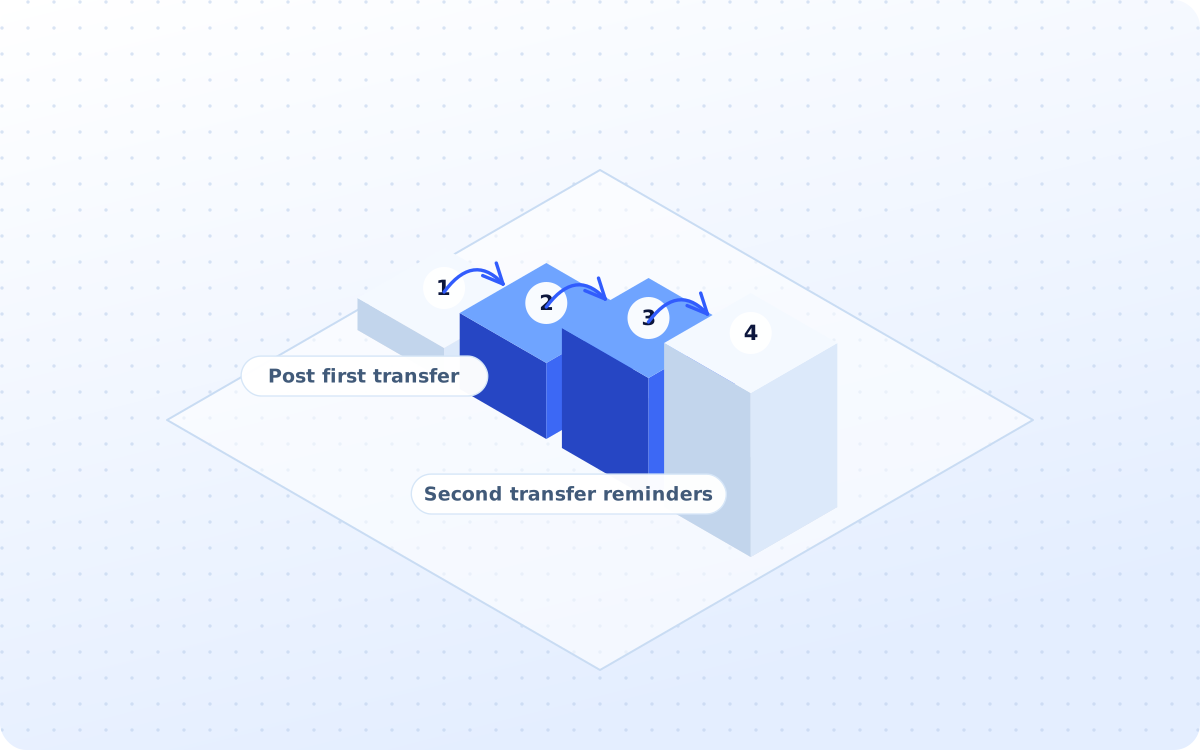
Second transfer and the repeat send

The days after a first transfer decide whether there is a second one. Follow-up, education and a reminder to set up the next send go out then, followed by payday and monthly recurring prompts per corridor.

  • Post first transfer follow-up set
  • Second transfer reminders and offers
  • Payday and monthly send prompts

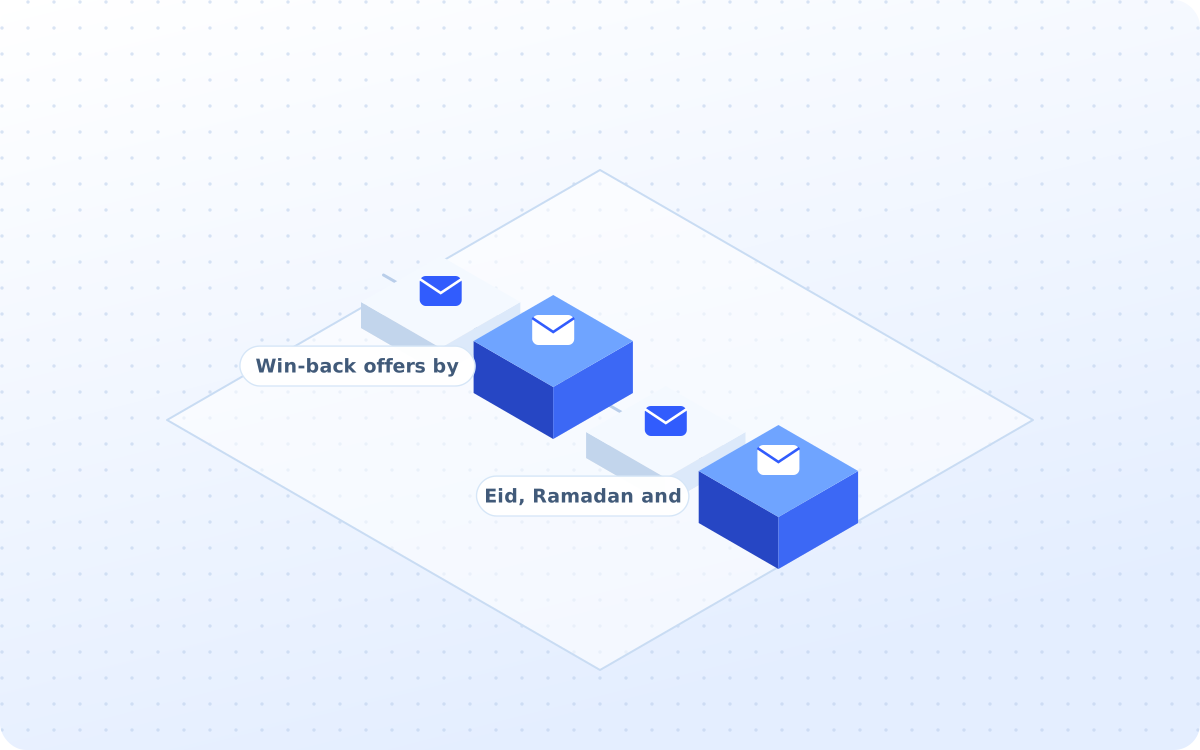
Dormant accounts and the occasions

Thirty, sixty and ninety day windows are a starting point, not the answer for every corridor. Actual inactivity windows should reflect the client's customer behaviour rather than fixed generic rules.

  • Win-back offers by dormancy stage
  • Eid, Ramadan and Christmas sends
  • School fees and payday occasions

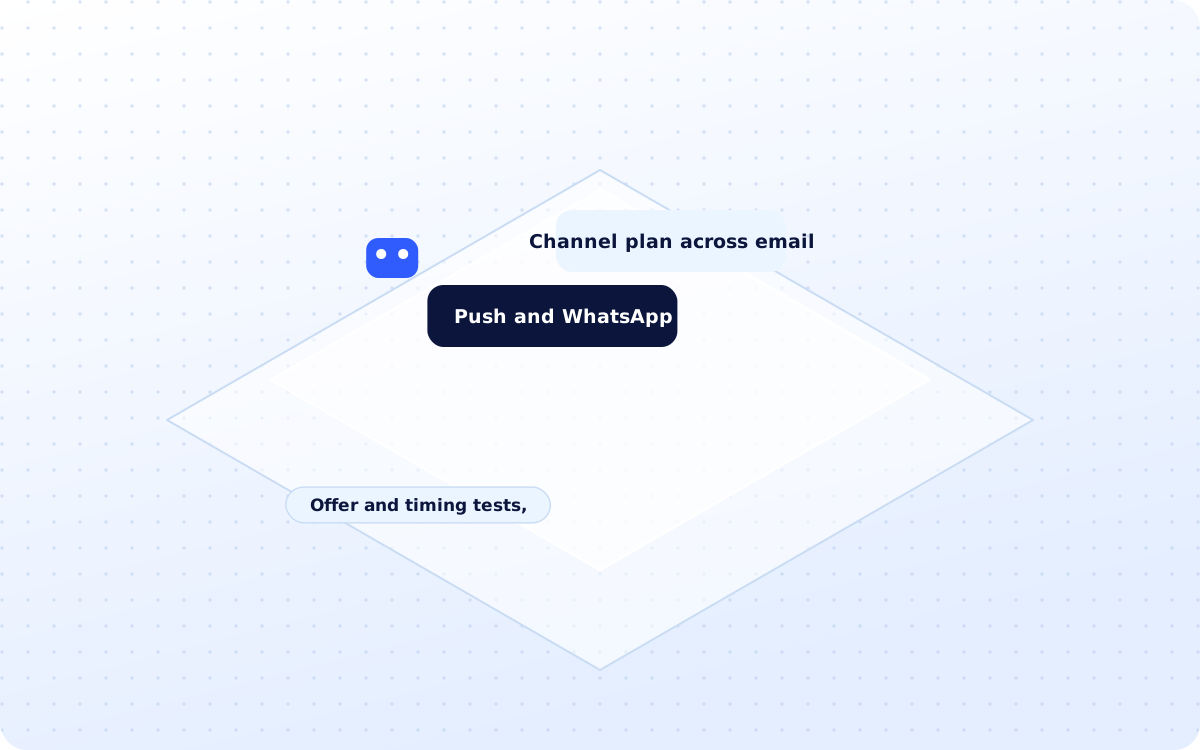
Channels, offers and the testing

Email, SMS, push, WhatsApp and paid remarketing are coordinated so one sender is not hit four times in a day. Offers, timing, frequency and segments are then tested one variable at a time.

  • Channel plan across email and SMS
  • Push and WhatsApp coordination
  • Offer and timing tests, one variable
DELIVERABLES

What you actually end up with

Six artefacts, all of them editable. The lifecycle map is the one your board will ask about.

ONE-OFF

The lifecycle map

Where every sender sits, from registration to dormancy, and how many of them sit at each stage.

ONE-OFF

Segmentation strategy

How the base splits by frequency, by value, by corridor and by how recently somebody last sent.

QUARTERLY

Retention calendar

Twelve months of sends, built around the paydays, Eid, Ramadan, Christmas and school fee dates.

ONE-OFF

Reactivation sequences

Win-back sequences at each dormancy stage, each with its trigger and its offer written out.

ONE-OFF

The offer strategy

Which senders see a fee promotion, which see a rate offer, and which are left alone entirely.

MONTHLY

Retention reporting

The repeat rate, the send frequency and the reactivated accounts, all reported by corridor each month.

HOW IT WORKS

How these campaigns run

Four stages, run in order. Nothing is sent until the segments and the dormancy windows are agreed.

The lifecycle map, and where it leaks

Cohort analysis positions every account on the lifecycle, so the stage losing the most senders is identified before a campaign is written.

Workstreams
  1. 01Lifecycle stages defined per account
  2. 02Cohort and drop-off analysis done
  3. 03Declining frequency identified early
  4. 04Inactivity windows set from data
  5. 05Segments by value and corridor
CAPABILITIES

What these campaigns do

Ten groups of work sit behind the service, and these twelve are what a sender actually notices.

01

Lifecycle mapping

Every account placed on a stage

02

Churn analysis

Where senders slow down and stop

03

Second send prompts

The days after a first transfer

04

Payday campaigns

Sends timed to local pay dates

05

Corridor reminders

Per route, at the usual interval

06

Dormancy windows

Thirty, sixty and ninety days out

07

Win-back offers

A reason to send with you again

08

Occasion campaigns

Eid, Ramadan, Christmas, school fees

09

Referral prompts

Asked of senders who still send

10

Channel coordination

Email, SMS, push and WhatsApp

11

Behavioural segments

High, low, declining and dormant

12

Offer testing

One variable, tested per segment

WAYS TO BUY

Three ways to buy this

One of these will fit, whether the dormant list is a thousand accounts or a hundred thousand.

Complete retention plan

The lifecycle, the segments, the calendar and the sequences, built once and then run every month.

  • Monthly fee, agreed before we start
  • Windows set from your own records
  • Reported on repeat sends, not opens

One reactivation sprint

The dormant base only, worked once through with a win-back sequence and a single offer test.

  • One fixed fee, no retainer at all
  • Six weeks from start to finish
  • Sequences handed over afterwards

Retention health check

Where senders drop off, what each monthly cohort is actually worth and which stage to fix first.

  • Two weeks, priced before we start
  • Cohort by cohort economics shown
  • No obligation to continue after

Comparison. A general agency will run a win-back email. Retention campaigns for remittance companies start from the corridor, the send interval and the date of the last transfer.

Position. Most operators should fix the second transfer before touching the dormant base, and it costs less.

Where this stops
  • Licensing and AML questions go to a qualified adviser. We handle advertising and marketing compliance.

Audit line. If none of the three fits, a fixed-fee growth audit will say which one should.

PROCESS

Four steps to send two

Two weeks of analysis, and then campaigns. The first reactivation sequence is usually live inside a month.

01

Map the lifecycle

WEEK 1

Every account is placed on a lifecycle stage, with the drop-off between each stage counted.

02

Set the windows

WEEK 2

Dormancy read from your own send intervals, per corridor, rather than a generic rule.

03

Build the sends

WEEK 3-4

Sequences, offers and the calendar written, then built across email, SMS and app push.

04

Test and report

MONTHLY

Offers and timing tested monthly, with every campaign read against repeat send rate.

WHAT WE CLAIM

How results get reported

No client figure appears without written permission. These three are facts about how the work is run.
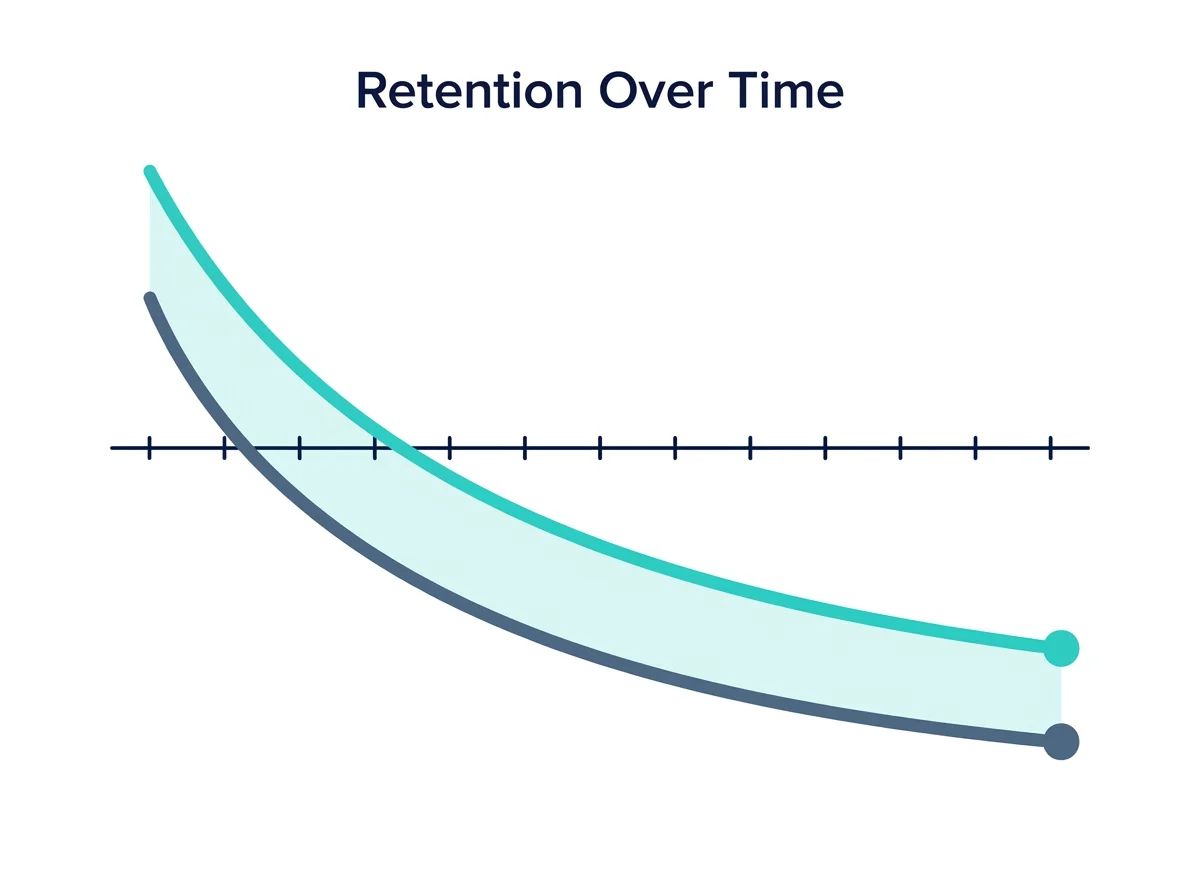
Retention curve showing repeat send rate declining across sender cohorts
10RETENTION WORKSTREAMSTen groups of retention work comprise the service, lifecycle through testing.
6DELIVERABLE FILESSix files are handed over on every retention engagement, without exception.
0FIXED DORMANCY RULESInactivity windows come from your own records, never a generic default.
FAQ

Questions operators ask first

Answers come first. Where the honest answer is no, it says no and explains what to do instead.

Operators, remittance apps and payout platforms on the roster

  • Kora Send
  • MonoFlux Remit
  • Nexa Remit
  • NorthArc Pay
  • NovaCorridor
  • PayaLink
  • SendBridge
  • SwiftLoom Pay

Marks appear once written permission is on file for each operator.

NEXT STEP

Start with the second transfer

Somewhere in your database is a cohort that sent twice and stopped. A fixed-fee growth audit will size it and price the campaign that reaches it.

You keep the lifecycle map whether or not we work together.

Scroll to Top