WhatsApp Business API for remittance apps
The diaspora sender already has WhatsApp open all day, and an email inbox they check infrequently. That is the entire argument for this channel, and it is usually enough.
Remittance only · Opt-in comes first · Meta approves every single template

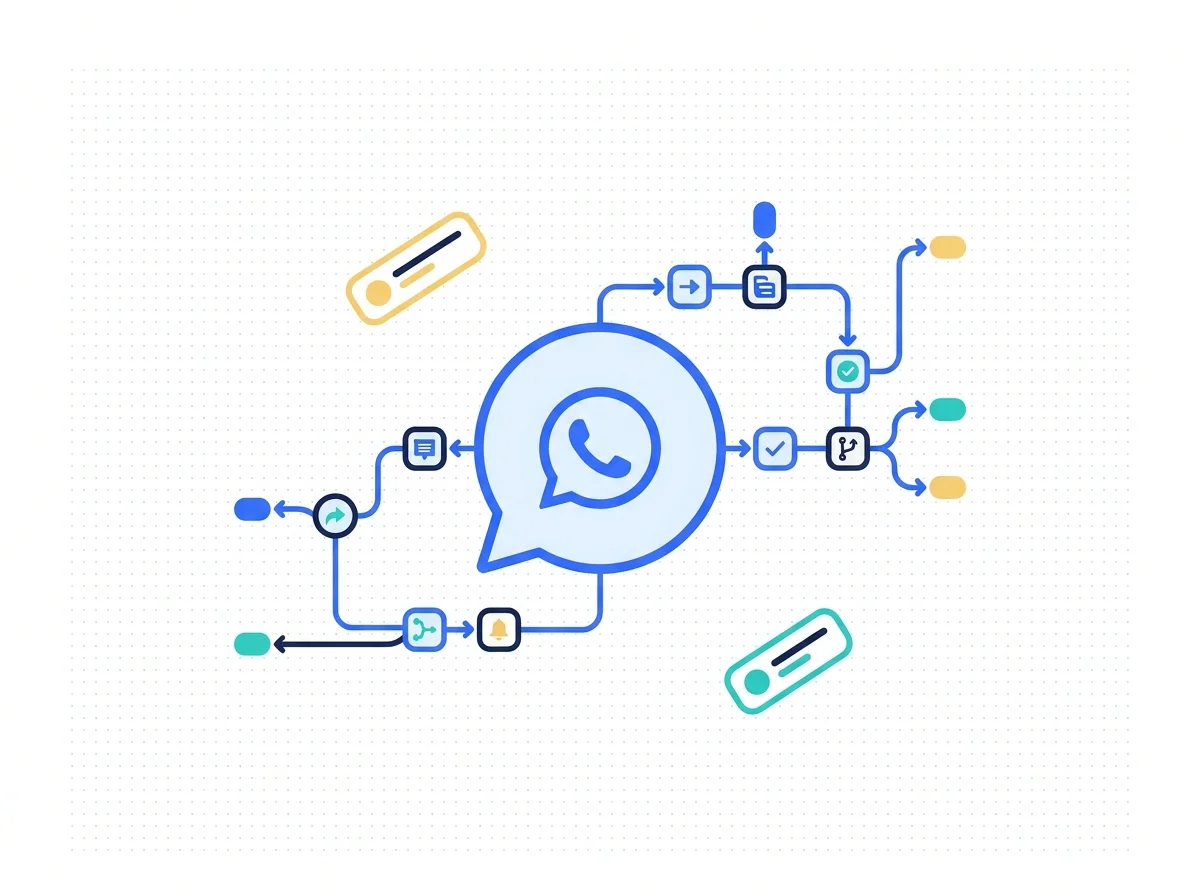
WhatsApp Business API for remittance companies is a governed channel, not a broadcast list. The objective is to create: Opt-In → Conversation → Support → Notification → Engagement → Human Handoff within appropriate WhatsApp and privacy rules. Opt-in comes first, the transaction facts come from your own systems, and a person takes the complaint. Meta approves the templates, not us.
What changes on WhatsApp
A broadcast blast to an unconsented list gets the number blocked. Four things change about all that.
A number, then a blast
Messages go out to whoever happens to be sitting in the CRM.
Opt-in, then a message
Only customers who agreed, on a template that was approved.
The bot quotes a rate
A number gets typed into a template and goes out of date.
The system quotes it
Transfer status and payout state come from the backend systems.
One template for all
The same English notification lands in every send corridor.
A template per market
Language, corridor and message category all decide what gets sent.
The chat has no exit
A complaint keeps talking to a bot until the customer leaves.
The chat finds an agent
Complaints and disputes route to a named team, with the history.
What the channel covers
Four rows. Why this channel, what the flow looks like, and the two approvals that are not ours.

What this service actually builds
Most diaspora senders will answer a WhatsApp message before they open an email or an app push. Build WhatsApp as a governed customer communication, support and lifecycle channel for remittance businesses.
- A governed channel, not a blast
- Support, lifecycle and notifications
- Built for remittance customers
Why WhatsApp, and not the email
That is the whole case. For many remittance audiences, WhatsApp is a natural communication channel because customers already use it frequently to communicate with family, businesses and service providers.
- Already open on the sender's phone
- Used with family almost every day
- Read far more often than an email
The whole flow, in its fixed order
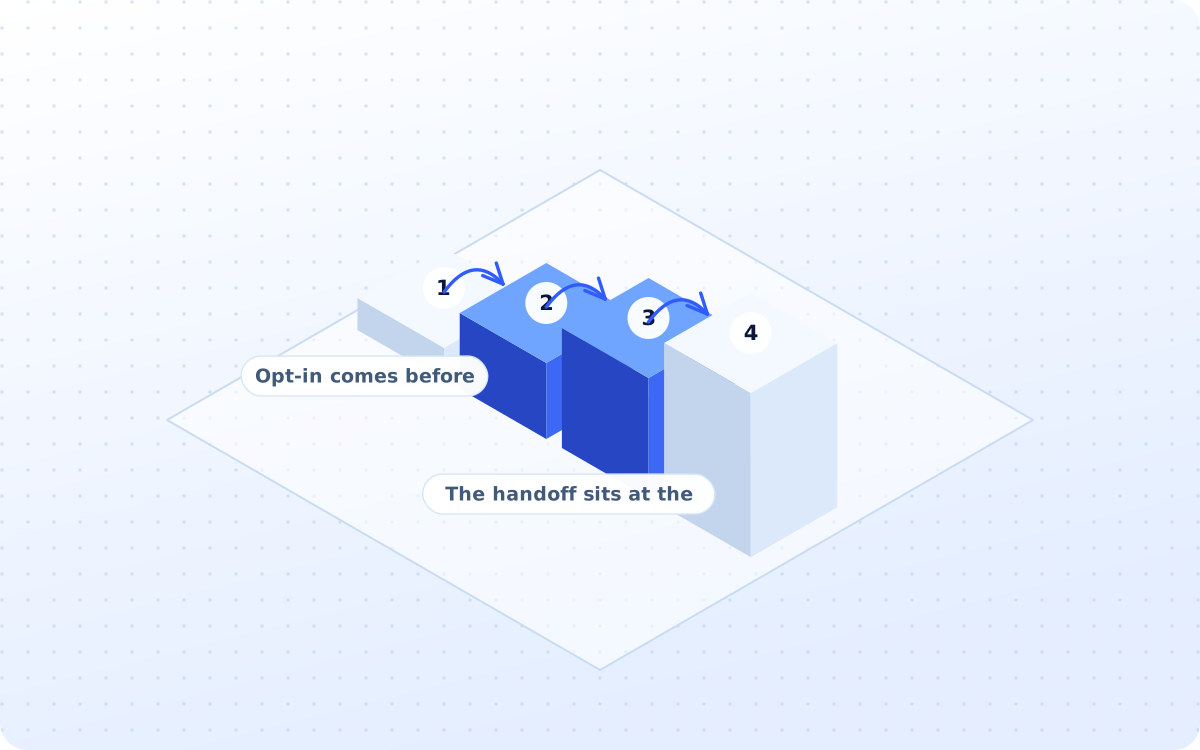
Six stages, and only one order to them. The objective is to create: Opt-In → Conversation → Support → Notification → Engagement → Human Handoff within appropriate WhatsApp and privacy rules.
- Opt-in comes before anything else
- The handoff sits at the end of it
- Privacy rules apply throughout
The two approvals that are not ours
Two of these lines are not ours to sign off, and it is better said out loud. Final platform approval remains with Meta/WhatsApp. Templates should follow platform rules and approval requirements.
- Meta approves the platform itself
- Templates all go through approval
- Timelines account for both of those
What you actually receive
Six artefacts, all of them yours to keep. The opt-in architecture is the one that really matters.
WhatsApp strategy
The use cases, the segments, the message categories, the consent model and the escalation route.

Opt-in architecture
Where consent gets collected, from the website and app to the QR codes at the agent counter.
Template library
The account updates, the KYC reminders, the transfer notifications and the support replies, all sent in.
Notification flows
Initiated, received, processing, payout and completed, each one of them pulled from the backend system.
Escalation routing
Which conversations go to support, to technical, or to the complaints team, and how fast it happens.
Channel reporting
The delivery, the read rate, the replies, the opt-outs and the conversion, reported every month.
How the channel gets built
Four stages, run in order. The opt-in has to exist before a single template is even submitted.
The account, the number, the profile
The business account preparation, the number setup, the business profile and the provider configuration, with Meta holding the final approval.
- 01Business account prepared first
- 02The number set up properly first
- 03Profile written for the sender
- 04Provider configured and tested
- 05Meta approval is not ours to give
Who agreed to this, and where they did
Website, app, signup, transfer flows, customer support and QR codes each become a place where consent gets collected and recorded properly.
- 01Consent collected, not assumed
- 02Opt-in sits on the signup screen
- 03QR codes used at the agent counter
- 04Every opt-in stamped and stored
- 05Opt-outs honoured almost instantly
What actually gets sent out, and when
Onboarding, KYC reminders, transfer notifications and lifecycle nudges run on approved templates, with the facts pulled from your own systems.
- 01Welcome and the account guidance
- 02KYC reminders, only where allowed
- 03Transfer status from the backend
- 04Promotions need consent as well
- 05Every single template gets approved
When the thread actually needs a person
Complaints, disputes, technical faults and anything the automation cannot answer get routed to a named team, with the conversation attached.
- 01Complaints go to one named team
- 02Disputes never stay with a bot
- 03The whole thread travels with it
- 04Language decides where it routes
- 05Priority set by the query type
What the service covers
Fifteen groups of work sit behind the service, and these twelve are what a sender actually sees.
Platform setup
Account, number, profile, access
Opt-in build
Website, app, signup, QR codes
Template strategy
Categories, wording and approval
Onboarding flow
Welcome, guidance and app help
KYC reminders
Documents, retries, support link
Transaction alerts
Initiated, processing and completed
Customer support
Questions, help, tracked threads
Chatbot layer
FAQ, corridors, status after login
Lifecycle messages
Activation, repeat send, referral
CRM integration
Profile, consent, conversation history
Channel analytics
Delivery, replies, opt-outs, revenue
Three ways to buy this
One of these will fit, whether the number is already approved or nothing exists yet at all.
Complete channel build
The strategy, the opt-in, the templates, the notifications and the escalation route, all set up.
- Fixed fee, agreed before we start
- Eight weeks, plus Meta approval
- Opt-in evidence required first
Notification build only
Just the transaction messages, when the support team is fine and the silence is the problem.
- One fixed fee, four weeks total
- Transaction alerts, done properly
- Credited if the full build follows
Ongoing channel support
The templates kept approved, the flows kept current, and the opt-out rate watched each month.
- Monthly fee, three months minimum
- Templates resubmitted as needed
- Opt-out rate watched very closely
Comparison. A general messaging vendor sells message volume. WhatsApp Business API for remittance companies starts with the opt-in record and the template Meta will actually approve.
Position. Most operators already have the customers on WhatsApp, and no permission to message them.
- Meta approves the platform and the templates. Consent and privacy rules sit above every message.
Audit line. If none of the three fits, a fixed-fee growth audit will say which one should.
Four steps to first message
Eight weeks, plus whatever Meta takes. The opt-in work starts well before any of the build does.
Open the account
WEEK 1-2Business account, number, profile and provider, prepared and submitted to Meta for approval.
Collect the opt-in
WEEK 2-4Website, app, signup and the agent counter, each one recording consent as it is given.
Write the messages
WEEK 5-6Account updates, KYC reminders and transfer notifications, written then submitted for approval.
Wire the handoff
WEEK 7-8Complaints, disputes and technical faults routed to a named team, with the thread attached.
How results get reported
No client figure appears without written permission. These three are facts about how the work is run.
Services that pair with this
WhatsApp is one thread. These three cover the phone line, and the screen that started it all.
The inbound phone line, for the first-time sender who would much rather speak than type it out.
Learn moreAI Outbound CallingThe telephone call that follows on, for the customers who read the message and then did nothing.
Learn moreThe upstream repair for the KYC screen the reminder keeps having to send them back to again.
Questions operators ask first
Answers come first. Where the honest answer is no, it says no and explains what to do instead.
Both. An agent-led operator can collect the opt-in at the counter with a QR code, which is often the easiest consent to get in the first place.
Yes. The CRM holds the profile, the consent, the lifecycle stage and the conversation history, so the thread does not live in a separate silo.
Yes. Language and market are routing fields, so a Ghana corridor template and a Philippines one can differ in wording, timing and the offer inside.
Yes. WhatsApp Business API for remittance companies is the only kind built, so transfer notifications and KYC reminders come as standard, not as extras.
Templates should follow platform rules and approval requirements. Where consent and rules allow, a KYC reminder goes out. Where they do not, it does not.
Your Meta business verification status, the opt-in you already hold, the corridors and languages, and access to the backend that knows a transfer state.
Eight weeks of build, plus whatever the platform approval takes. Final platform approval remains with Meta/WhatsApp. Nobody can promise that date.
Yes. Dynamic transaction information should come from authoritative backend systems. A notification that says processing is reading your system, not guessing.
Yes. Corridor and language sit in the routing, so one number can serve several markets without a customer in Manila getting a message written for Accra.
Yes. Where customer consent and platform policy allow: repeat-transfer reminders, reactivation and referral campaigns all count as lifecycle use cases.
First-transfer activation is a named lifecycle campaign, and the analytics attribute conversion where that is possible, so the channel gets judged on transfers.
Eight measures, all reported monthly: message delivery, read rate, replies, conversations, support resolution, opt-outs, conversion and revenue attribution where appropriate.
A KYC reminder that arrives where the customer already is gets read. The same reminder in an email inbox often does not, and the transfer never happens.
Conversion against message cost, and the support tickets that never arrived. WhatsApp Business API for remittance companies usually pays back on KYC recovery.
A repeat-transfer reminder in a thread the sender already reads beats a push notification they turned off months ago and never turned back on.
Operators, remittance apps and payout platforms on the roster
Marks appear once written permission is on file for each operator.
Get the opt-in right first, then send
This channel is free to open and expensive to get wrong. A fixed-fee growth audit will say whether the opt-in you hold is worth building on.
You keep the opt-in architecture whether or not you launch.