Owned demand for money transfer brands. Content that answers real sending questions, social that lives where diaspora communities already talk, and campaigns that bring lapsed senders back.
Bought demand across search, social, video and offline. Every engagement begins with financial services ad account verification, scoped and sequenced before a single unit of spend.
Money transfer is a compare-and-decide category. Four services, but the two deepest pages on this site sit here, because answer engines are quietly taking that decision away from blue links.
Tech builds it, CRO makes it convert. These are the engineering engagements: new builds, technical rebuilds and the platform your operation actually runs on.
The leak, then the proof. KYC abandonment is the single largest loss in remittance, and none of it is arguable until tracking and business managers are set up properly.
The front door and the ceiling. Audits open the relationship, corridor work is what an operator cannot buy from a generalist. Licensing and regulatory questions are referred to a qualified adviser.
Support volume in remittance is high, repetitive and emotional. Where is my money, why was it held, what is my rate. Automating that shows up in margin within the first month.
Seven services that answer where the money is going, which corridor deserves the next budget, and what order to build things in. You keep the plan either way, whatever happens next.
Remittance only · Fixed fees · Regulatory work referred out
Remittance consulting services answer the questions that come before spending: where money is being lost now, which corridors deserve the next budget, and in what order a launch should happen. The work is diagnosis, research and sequencing for money transfer businesses. Licensing and regulatory advice sits with qualified specialists instead. Seven services sit inside, from audits to launch planning and operations.
Operators, remittance apps and exchange houses on the roster
Marks appear once written permission is on file for each operator.
THE CATEGORY
The shape of the category
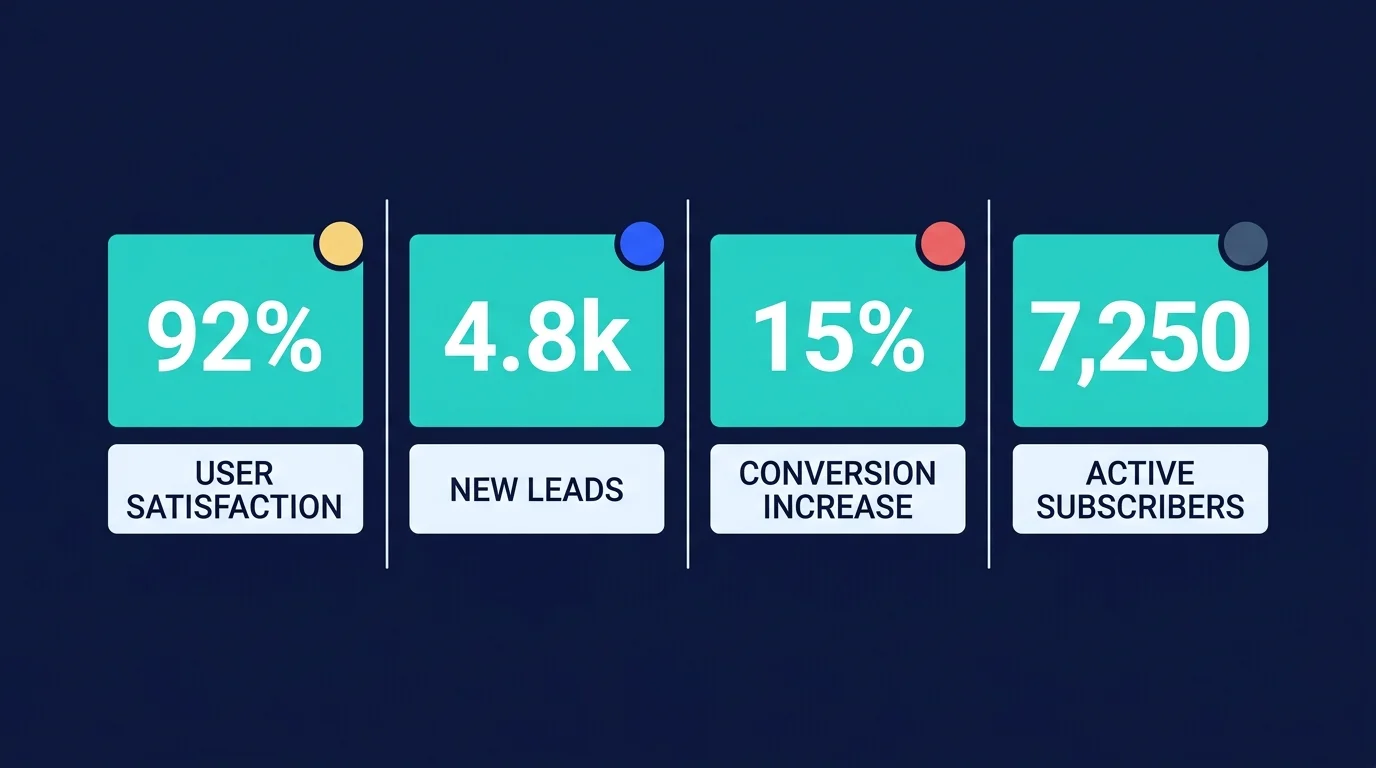
7SERVICES IN CATEGORY
146WORKSTREAMS
6DECISION QUESTIONS
14DAYS TO AUDIT
Metric footnote. Counts describe the Consulting category and the audit, never a client outcome.
THREE SYSTEMS
Three systems, seven services
Poor sequencing can create expensive problems, and most of these decisions are hard to reverse later.
Diagnosis
The wasted spend diagnosis
Two audits that find where budget, traffic and verified senders are being lost today: account structure, tracking, creative, corridor performance, and the site those clicks land on.
Research that says which markets and corridors deserve investment, then a launch plan for the specific route chosen: demand, competitors, pricing communication and channel sequencing.
Taking a new business to market, then making the marketing team that runs it work: structure, workflow, reporting, approval routes and the automation that removes repetitive execution.
Systems footnote. Counts describe the services and workstreams inside each system, not results.
HOW IT STARTS
How the work starts here
Three steps, and the first one is priced before it begins. The output is a decision, not a document.
01
Diagnose the loss
Two weeks across spend, funnel, site and corridor performance, using your own numbers rather than platform-claimed conversions.
02
Decide the order
What to fix, what to launch and what to leave alone, ranked by commercial return and by how long each one takes.
03
Hand over the plan
A costed roadmap your team can run alone, or with us. Roughly one in three engagements ends at the handover.
WHAT WE CLAIM
What is claimed, and why
No client numbers appear without written permission. What follows is method instead, and method can be checked.
Consulting is not report volume
Consulting should not be judged by the number of reports produced. The progression is diagnosis, then decisions, then implementation, and only the last one changes a transfer count.
We say where it stops
Every engagement names what sits outside the remit. Regulatory due diligence, licensing analysis, legal opinions and AML assessment go to appropriately qualified specialists.
A hundred and forty-six workstreams sit under the seven services. These five tabs are how they get scheduled.
Where spend and conversion leak today
Two audits run against your own records: what the ad accounts actually bought, and what the website did with the traffic once it arrived.
Workstreams
01Account structure and tracking audit
02Attribution and conversion quality audit
03Creative, audience and corridor performance
04Technical, SEO and content audit
05Conversion, trust and messaging audit
Which corridors deserve the budget
Market sizing, diaspora concentration, competitor and pricing research, so corridor priority is argued from evidence rather than from instinct.
Workstreams
01Market sizing and corridor demand
02Diaspora concentration research
03Competitor landscape and product comparison
04Pricing and offer research
05Search, social and distribution research
Corridor launches and new businesses
One plan for entering a specific route, and one for taking a whole business to market, both sequenced so nothing launches before its tracking exists.
Workstreams
01Corridor opportunity assessment
02Origin and destination market analysis
03Positioning and messaging architecture
04Channel and paid media launch plan
05Analytics foundation before launch
Making the marketing team work
Structure, ownership, workflow, tooling and reporting for an in-house team, including the compliance approval route that decides publishing speed.
Workstreams
01Team structure and ownership framework
02Campaign workflow and marketing calendar
03Marketing technology and tool consolidation
04Naming conventions and UTM governance
05Compliance approval workflow
Automation, and what stays human
Automation is mapped by opportunity and ranked by return, then split clearly between execution work and the decisions that must stay with people.
Where this stops
The service should clearly distinguish operational automation from regulated or high-risk decisions.
AI should not independently make final decisions about customer KYC approval, AML case disposition, sanctions decisions, suspicious activity determinations, regulatory reporting, transfer blocking, customer risk classification or legal interpretation.
It should not position the business as providing legal opinions, licensing advice, AML advice or regulatory authorization.
Where licensing or regulatory guidance is required, we refer the client to qualified legal, compliance or regulatory specialists.
Corridor and market research does not replace regulatory due diligence, licensing analysis, legal opinions or AML assessment.
Workstreams
01AI readiness and opportunity mapping
02Return prioritisation before any build
03Marketing workflow and reporting automation
04Customer insight and CRM automation
05AI knowledge base development
IN DEPTH
Three areas, in more depth
Three areas where remittance consulting services differ most from what a general growth firm would do here.
Sequencing is the expensive part
Remittance businesses make high-impact decisions across markets, corridors, pricing, paid acquisition, technology, onboarding, KYC, product, distribution, agent networks and operations. Poor sequencing can create expensive problems. Launching media before tracking, or a corridor before payout reliability, costs a quarter each time.
Diagnosis uses your numbers
An audit that reads platform dashboards back to you is worth nothing. Spend is reconciled against verified senders and funded transfers in your own records, corridor by corridor, which is usually where the gap between reported and real acquisition cost first becomes visible.
The boundary is stated upfront
This work covers commercial strategy, demand analysis, positioning, marketing, channel planning, customer acquisition and launch sequencing. It should not position the business as providing legal opinions, licensing advice, AML advice or regulatory authorization. Those functions stay with qualified advisers, and that is stated before an engagement starts.
PAIRS WITH
Categories that pair here
A decision is worth what gets built from it. These four are usually what the roadmap recommends next.
Answers come first. Where the honest answer is no, the answer says no and explains what to do instead.
Yes. No client is taken outside cross-border money movement, which is why the first meeting starts at corridor economics rather than at definitions.
Yes. Digital operators get funnel and corridor work, agent-led operators get catchment, counter and network economics. The questions differ by model.
Yes. Every audit reads from your analytics, your CRM and your transfer records, because platform dashboards alone cannot show what was actually acquired.
Yes, and usually it must be. Margin, competition, payout reliability and diaspora concentration differ enough that a national view hides the answer.
Advertising compliance is inside the remit and shapes every recommendation. Licensing, regulatory and AML questions go to qualified specialists instead.
Every recommendation carries the funnel stage it affects and the expected movement in verified senders or funded first transfers, stated as a range.
Through the decisions taken and what they changed: spend reallocated, corridors prioritised, projects sequenced, then transfer movement over the following quarters.
The audit takes two weeks from booking. Corridor research runs three to four weeks, and a full go-to-market plan usually takes six.
Ad account and analytics access, transfer volumes by corridor, current spend, and whoever can explain how payout partners actually perform.
Yes. Repeat rate by corridor is part of every diagnosis, because acquisition decisions look different once send frequency is in the same view.
Account structure, conversion tracking, attribution, creative, audiences, corridor performance and landing pages, across Google, Meta and TikTok. Every finding is tied to spend.
Platform reps review the platform. This reads all three accounts against your transfer records, which is where the double-counted conversions appear.
Sometimes, and that is the point. Recommending a spend cut costs us the follow-on work, which is exactly why it is worth reading.
Technical health, SEO, search intent, conversion, trust, messaging, mobile experience, corridor architecture and analytics, assessed as one system. Nothing is reviewed in isolation.
App funnel work sits in CRO rather than here. The website audit covers the handoff to the store and what happens after install.
Two weeks for either audit, including access setup. Rushing it produces a list of observations rather than a ranked order of work.
A costed order of work, the evidence behind each item, and the specific fixes your team can ship without any further help from us.
That is the usual case. No audit assumes the previous agency was careless, because most waste comes from measurement rather than from effort.
Yes. Verification completion by campaign and by corridor is usually the single finding that changes the media plan the most.
Then it says so and points at the real constraint, usually the product or the corridor mix. That answer has been given before.
By demand, competition, payout reliability, pricing room and diaspora concentration together. A large corridor with no viable payout partner is not an opportunity.
Market sizing, corridor demand, diaspora concentration, competitor landscape and product comparison, pricing research, search demand and distribution options. All of it per corridor.
Yes. Origin market analysis and destination market analysis are separate pieces of work, because sending behaviour and payout reality rarely match.
Yes, through search demand, community research and small-budget testing. Validation before scaling is cheaper than a corridor launched on conviction.
No. Corridor and market research does not replace regulatory due diligence, licensing analysis, legal opinions or AML assessment. Those go to qualified specialists.
Census and community data, language signals, social and search behaviour, then cross-checked against where your existing senders already cluster today.
On publicly visible pricing and total cost presentation, yes. Competitor margin is inferred and labelled as inferred rather than stated as fact.
Positioning, pricing communication, segmentation, channel strategy, search demand analysis, and the paid and content launch plans in sequence. Nothing launches early.
Fewer than most operators attempt. Three built properly outperform eight built thinly, and the research usually names which three they are.
On commercial demand and coverage, yes. Contractual, regulatory and settlement due diligence stays with your own advisers and operations team.
Market definition, ideal customer profile, positioning, messaging, product marketing, website and app launch strategy, analytics foundation and paid acquisition planning.
No. Regulatory authorization, licensing approval, legal advice and AML programme approval remain with qualified legal, compliance and regulatory advisers, always.
Once corridors, payout partners and the verification flow are confirmed. Marketing before those exist buys attention you cannot convert yet.
Tracking, then site, then content, then paid. Reversing that order is the most common and most expensive sequencing mistake in this category.
Ownership gaps, campaign workflow, tool sprawl, naming and UTM chaos, reporting that nobody trusts, and approval routes that take weeks.
The workflow, yes: who reviews what, when, and against which agreed claim wording. The policy behind it stays with your compliance team.
Reporting, content operations, insight gathering, CRM hygiene and repetitive campaign execution. Those are the areas with a measurable return today.
AI should not independently make final decisions about KYC approval, AML case disposition, sanctions, suspicious activity, regulatory reporting or transfer blocking.
The build sits in AI & Automation as a separate engagement, so the recommendation is not written by the team that profits from the largest build.
That is the intended outcome for most engagements. The operations work exists precisely to make an internal team capable of running it.
Entry is a fixed-fee growth audit, quoted before commitment. Larger engagements are fixed price per phase, agreed before any work starts.
No. Day rates reward slow work, and they make the client carry the estimating risk on a project they cannot scope themselves.
Against spend reallocated, waste removed and the transfer movement that follows the decisions taken, with the attribution limits stated plainly.
No, and nobody credible does. What is guaranteed is that the evidence, the assumptions and the risks behind each recommendation are visible.
You keep it. Roughly one in three engagements ends there, with the client running the work in-house, and that is a reasonable outcome.
On counter and app transfer growth in the catchments prioritised, plus the media waste removed from campaigns that never produced verified senders.
Scaling spend before diagnosis, launching corridors on conviction, and treating a report as a decision that somebody has actually taken.
For sequencing and corridor choice, usually yes. Those two decisions cost the most to reverse once a business is already live.
Yes, and most engagements do. The audit is deliberately small enough to buy without a committee having to approve it first.
Then the evidence is on the table and the decision stays yours. Consulting that never gets argued with is usually consulting that says nothing.
NEXT STEP
Start before the next budget
Remittance consulting services are cheapest before the spend, not after it. Two weeks and a fixed fee will say where the money is going and what to do first.