
8 CRO SERVICES

MTO conversion rate optimization by corridor

Eight services aimed at one number: the share of acquired senders who reach a first completed transfer. Half of them exist to make that number trustworthy before anything is tested.

Remittance only · Fixed fees · Compliance controls kept

Signup path narrowing through verification toward a completed send

Conversion rate optimization for remittance companies means finding and fixing the points where an acquired visitor stops: the signup form, the verification screen, the beneficiary step, the funding page. The commercial milestone is not a click or a registration. It is a sender who completes a first transfer and can be brought back for a second. Eight services sit inside, and half of them are measurement.

Operators, remittance apps and exchange houses on the roster

  • Transfera Loop
  • VaultBridge
  • Alta Remit
  • Corridor Pay
  • Corriva Pay
  • Diaspora FX
  • EchoSend
  • HaloSend

Marks appear once written permission is on file for each operator.

THE CATEGORY

The shape of the category

8SERVICES IN CATEGORY
131WORKSTREAMS
11FUNNEL STAGES
14DAYS TO AUDIT

Metric footnote. Counts describe the CRO category and the audit, never a client outcome.

THREE SYSTEMS

Three systems, eight services

Half the category is measurement. Testing against numbers you cannot trust is the most expensive habit here.

Measurement

The measurement foundation

Analytics, event taxonomy, pixels, server-side tracking and the three ad platform accounts, built so a verified sender and a funded transfer are events rather than guesses.

4SERVICES INSIDE
67WORKSTREAMS
3AD PLATFORMS
See analytics setup
Site and app

The site and app conversion system

Homepage, corridor pages, the transfer calculator and the app flows from open to send, redesigned around the decision a sender is actually making at that step.

3SERVICES INSIDE
47WORKSTREAMS
11FUNNEL STAGES
See conversion rate optimization
Signup and KYC

The verification funnel system

The single highest-value screen set in remittance. Document capture, liveness, error messages, retry flows and the pending state that decides whether a sender waits or leaves.

1SERVICE INSIDE
17WORKSTREAMS
13TRACKED METRICS
See the KYC funnel work

Systems footnote. Counts describe the services and workstreams inside each system, not results.

HOW IT STARTS

How the work starts here

Three steps, and the first one is priced before it begins. No test runs on numbers nobody trusts.

01

Fix the measurement

Events, taxonomy and platform accounts checked and repaired, so registration, verification and first transfer are all countable.

02

Find the leak

Step-level drop-off across signup, verification, beneficiary, funding and send, by corridor, by device and by acquisition source.

03

Test and ship

Prioritised experiments against the biggest leak first, with compliance controls left exactly where your policy puts them.

WHAT WE CLAIM

What is claimed, and why

No client numbers appear without written permission. What follows is method instead, and method can be checked.

The outcome is a funded sender

Traffic is not the outcome. Registration is not the outcome. KYC completion is not the final outcome. A sender who completes a first transfer and can transfer again is the milestone.

Measurement comes before tests

Half of this category exists to make the funnel countable. An experiment read against broken events produces a confident decision in the wrong direction.

Services here8
Delivery systems3
Commercial aims6
Compliance shortcuts0
FAIR QUESTIONS

The four usual objections

Four things get raised in almost every first conversation. Each one has an answer that costs us something.

01

Just make the button bigger

Button colour is the cheapest test and the smallest prize. In remittance the money sits in verification, funding and the pending state.

where the money actually leaks
02

Compliance owns the KYC flow

They do, and they keep it. The work here is clarity, error recovery and measurement around controls your policy already sets.

how the boundary works
03

We already run A/B tests

Most operators do, on pages that were never the constraint. Prioritisation against step-level drop-off usually reorders the entire backlog.

how experiments get ranked
04

Our volume is too low to test

Then testing is the wrong tool and funnel repair is the right one. Not every fix needs statistical significance to be obviously correct.

what low volume changes
THE FUNNEL

Four stages, one number

Eleven stages sit between a visit and a repeat sender. These four are where the money is usually lost.

VisitSomeone lands on the site or opens the app for
RegisterAn account exists, but no money has moved and
VerifyIdentity checks clear or they do not, and most
SendA funded first transfer completes, which is
01VisitSomeone lands on the site or opens the app for the first time.
02RegisterAn account exists, but no money has moved and nothing is verified.
03VerifyIdentity checks clear or they do not, and most value leaks here.
04SendA funded first transfer completes, which is the only outcome that counts.
WHAT CHANGES

Five things that change

Six commercial aims sit behind this category, and every one of them is visible in your own funnel data.

01

More from the same traffic

Conversions rise without a proportional rise in media spend, which is the cheapest growth available to most operators.

02

Less acquisition waste

Channels that produce registrations but never verified senders get identified, then funded differently or stopped.

03

Higher KYC completion

Avoidable verification abandonment falls while every control your compliance policy requires stays exactly where it is.

04

More first transfers

More of the customers you already paid for reach a first successful transaction rather than stalling before it.

05

Better platform signals

Google, Meta and TikTok receive verified customer and first-transfer events instead of clicks, installs or signups.

Then measurement holds

a fixed-fee growth audit says which stage is leaking and what it costs you monthly.

Book a Growth Audit
INSIDE THE WORK

What sits inside the work

A hundred and thirty-one workstreams sit under the eight services. These five tabs are how they get scheduled.

Events, taxonomy and data quality

Measurement covers the whole lifecycle: acquisition, registration, verification, transfer and retention, with transaction value tracked rather than counted as one.

Workstreams
  1. 01Event taxonomy across the lifecycle
  2. 02Conversion event mapping
  3. 03Transaction value tracking
  4. 04Server-side and cross-domain tracking
  5. 05Data quality assurance
IN DEPTH

Three areas, in more depth

Three areas where conversion rate optimization for remittance companies differs from the same job in retail.

This is not ecommerce CRO

A generic programme optimises visit, add to cart, purchase. A remittance programme optimises visit or install, register, verify, add recipient, fund, send, complete. Every stage introduces different friction, trust, risk, compliance and technical dependency, which is why the specialisation has to run deeper.
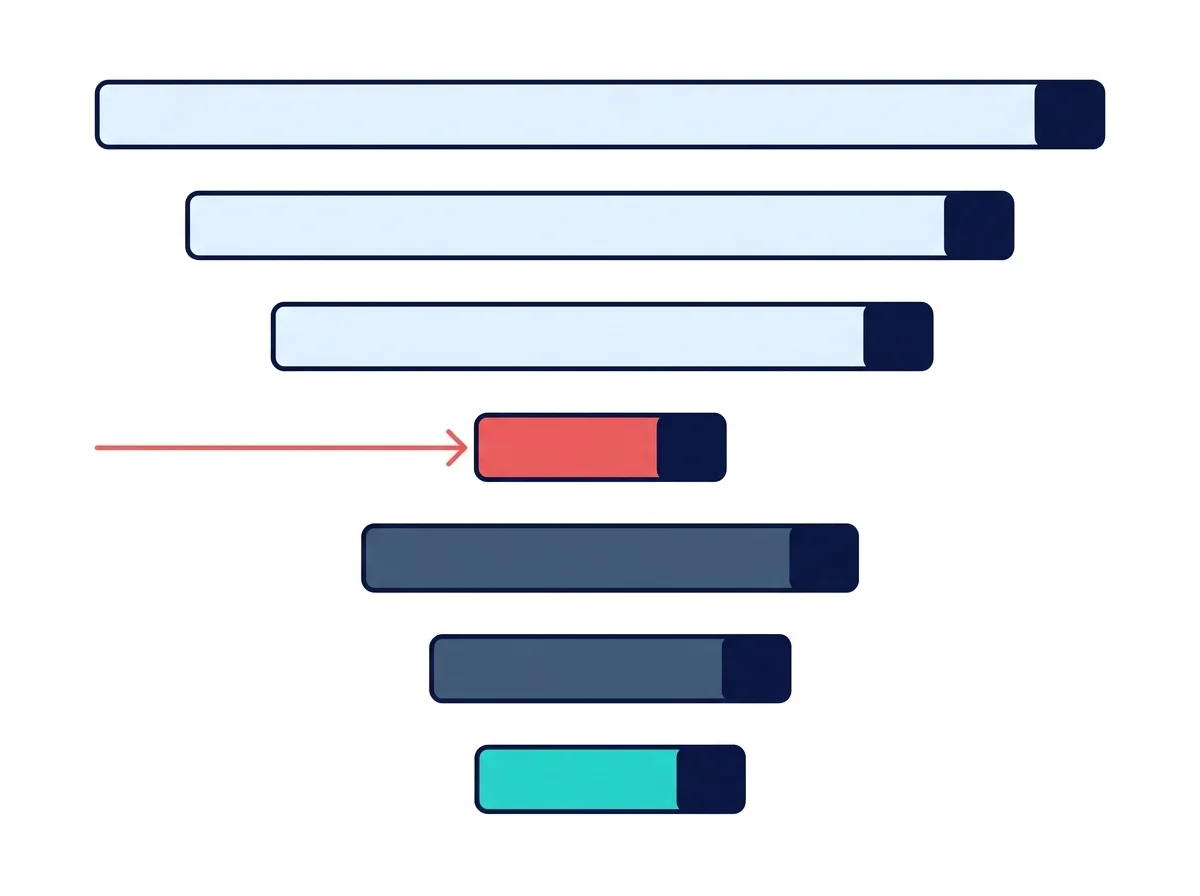
KYC funnel drop-off, each stage narrowing as senders fail verification

Verification is the expensive screen

Acquisition spend that reaches registration and then fails at KYC creates no activated sender at all. Even relatively small improvements in verification completion can materially improve acquisition economics without requiring additional media spend, which is why this screen is worked before the homepage.
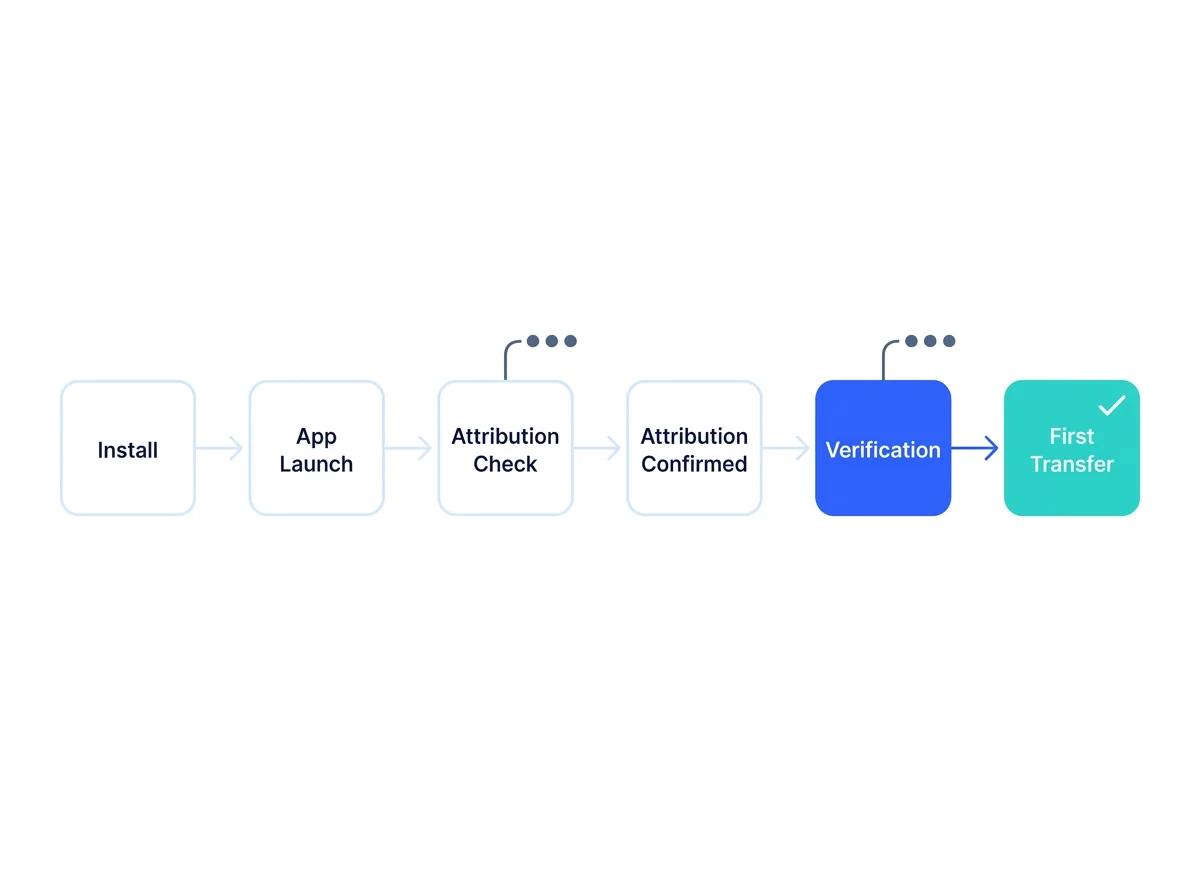
Chain of tracked events running from ad click through to completed transfer

Signals decide what paid buys

Platforms optimise toward whatever event they receive. Feed them registrations and they will find people who register. Feeding Google, Meta and TikTok verified customer and first-transfer events changes what the algorithms hunt for, which is often the largest single win in the category.
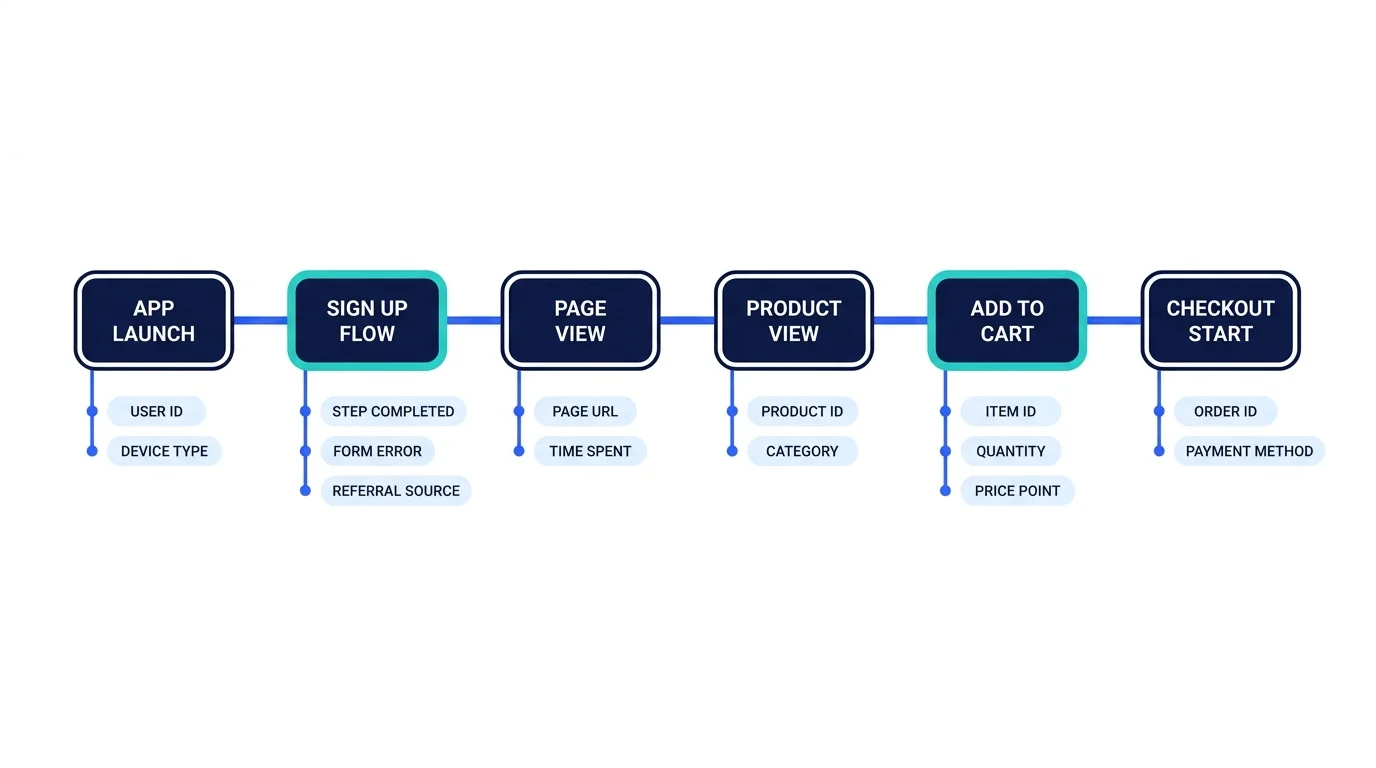
Analytics event schema listing tracked properties and their types
FAQ

Fifty answers, no hedging

Answers come first. Where the honest answer is no, the answer says no and explains what to do instead.

NEXT STEP

Start with the funnel numbers

Conversion rate optimization for remittance companies starts with the stage that is losing senders. Two weeks and a fixed fee will name it, and price the fix.

No call required to get a quote. Scope and price come back in writing.

Scroll to Top