Owned demand for money transfer brands. Content that answers real sending questions, social that lives where diaspora communities already talk, and campaigns that bring lapsed senders back.
Bought demand across search, social, video and offline. Every engagement begins with financial services ad account verification, scoped and sequenced before a single unit of spend.
Money transfer is a compare-and-decide category. Four services, but the two deepest pages on this site sit here, because answer engines are quietly taking that decision away from blue links.
Tech builds it, CRO makes it convert. These are the engineering engagements: new builds, technical rebuilds and the platform your operation actually runs on.
The leak, then the proof. KYC abandonment is the single largest loss in remittance, and none of it is arguable until tracking and business managers are set up properly.
The front door and the ceiling. Audits open the relationship, corridor work is what an operator cannot buy from a generalist. Licensing and regulatory questions are referred to a qualified adviser.
Support volume in remittance is high, repetitive and emotional. Where is my money, why was it held, what is my rate. Automating that shows up in margin within the first month.
Websites, mobile apps and the operational platform that moves the money, built by engineers who already understand payout partners, verification screens and corridor rate boards without an induction.
Remittance only · Fixed scope · Releases, not big bangs
Technology services for remittance companies cover the customer-facing and operational software behind a transfer: the website, the mobile app, and the remittance management system that carries a payment from quote to payout. The measure is registration completion, KYC completion and first-transfer conversion, not whether features shipped on time. Five services sit inside, from a first website to a full platform.
Operators, remittance apps and payout platforms on the roster
Marks appear once written permission is on file for each operator.
THE CATEGORY
The shape of the category
5SERVICES IN CATEGORY
121WORKSTREAMS
40PLATFORM MODULES
14DAYS TO AUDIT
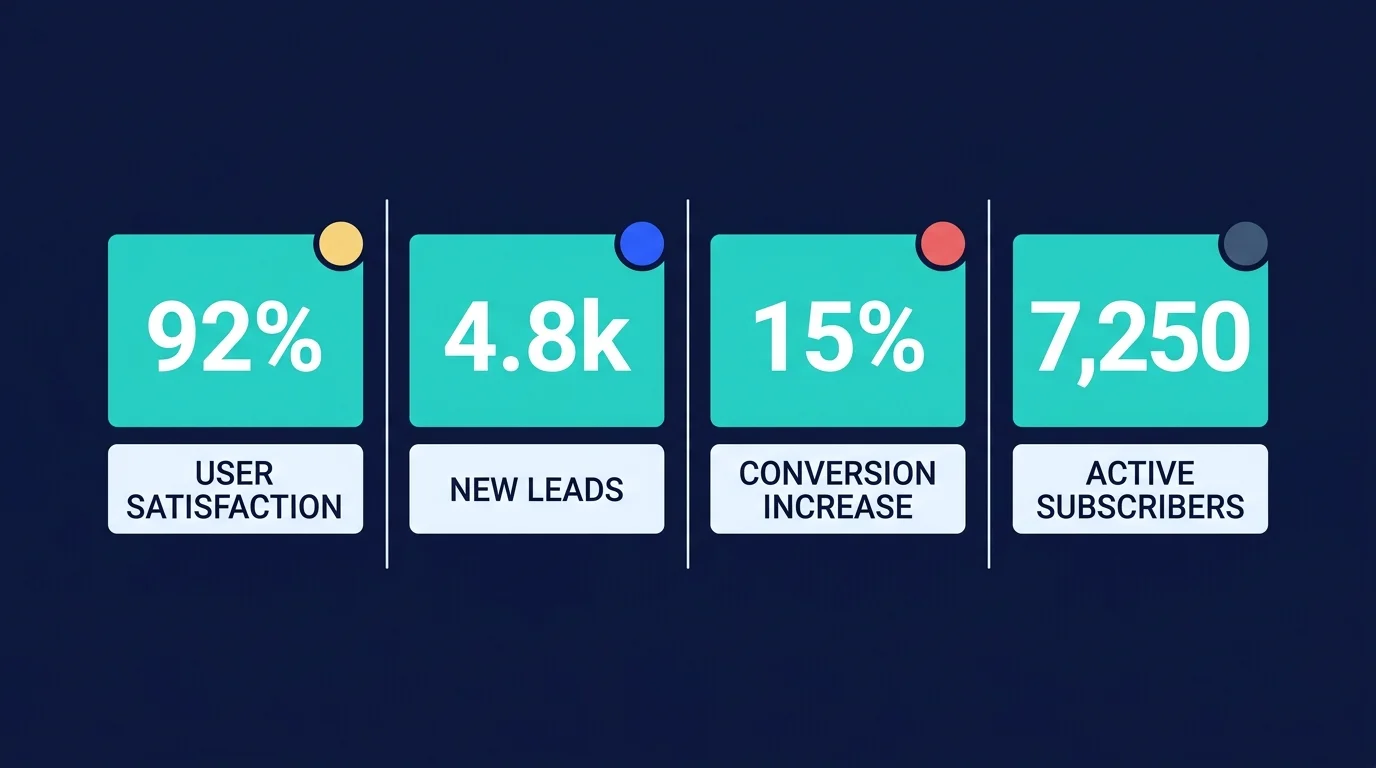
Metric footnote. Counts describe the Tech category and the audit, never a client outcome.
THREE LAYERS
Three layers, five services
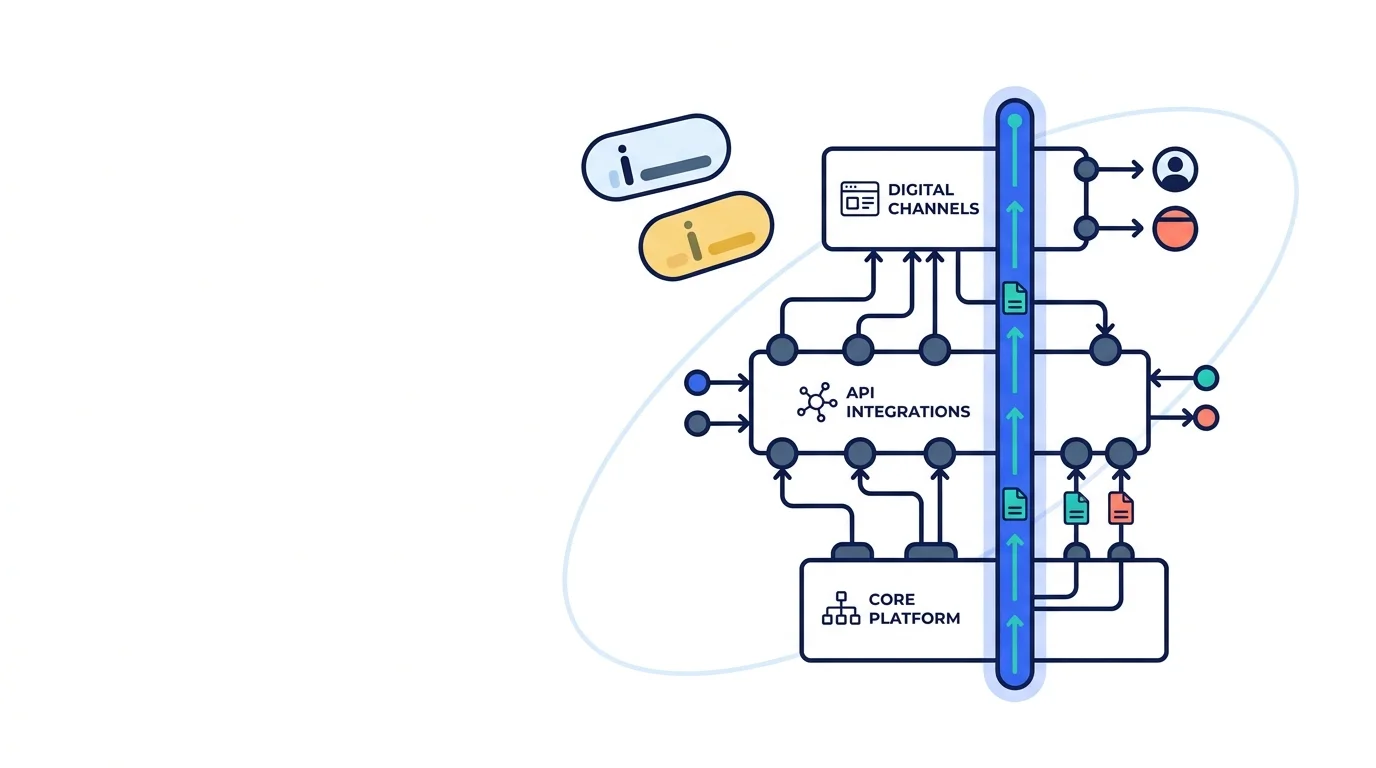
Technology for a remittance company has to support much more than a polished interface. It runs in three layers.
Web acquisition
The web acquisition layer
The site that explains the product, holds the corridor pages, runs the rate calculator and hands a registered sender to verification. Built new, or rebuilt without losing what works.
Registration, verification, beneficiary setup, quote, funding, transfer and tracking on iOS and Android. Where an app exists, the work is improving it without breaking the send flow.
The operational system behind everything the sender sees: transactions, rates, fees, corridors, payout partners, agents, reconciliation and the reporting the finance team lives in.
Systems footnote. Counts describe the services and workstreams inside each layer, not results.
HOW IT STARTS
How the work starts here
Three steps, and the first one is priced before it begins. Nothing gets rebuilt before it has been measured.
01
Audit the stack
Two weeks across site, app, tracking and platform, ending in a costed order of work and a list of what must not be touched.
02
Protect what works
URLs, conversion events, integrations and the flows that already produce transfers are documented and preserved before any rebuild starts.
03
Ship in releases
Small releases against a fixed scope, each one measured on registration and KYC completion rather than on features delivered.
WHAT WE CLAIM
What is claimed, and why
No client numbers appear without written permission. What follows is method instead, and method can be checked.
A rebuild protects the engine
A redesign should not accidentally destroy the acquisition engine already working underneath the website, so SEO, tracking, integrations and URLs form part of the plan from the beginning.
Transfer flow beats novelty
A prettier app that causes even a small deterioration in KYC completion, payment success or transfer completion is a commercial loss. Transactional UX comes before visual novelty.
Sometimes it is the right answer, and the audit will say so. Licence cost is rarely the deciding number once corridors and payout partners are counted.
A hundred and twenty-one workstreams sit under the five services. These five tabs are how they get scheduled.
Architecture, corridor pages and calculators
The build covers everything between a search result and a verified sender, including the calculator, the corridor set and the registration handoff.
Workstreams
01Website architecture and UX design
02Remittance calculator development
03Corridor and country page templates
04Registration and KYC integration
05Analytics and conversion event mapping
Modernise without losing what works
A rebuild starts with an audit of what already converts, then preserves it. Everything else is open to change, including the technology underneath.
Workstreams
01SEO and content preservation audit
02URL migration strategy
03Tracking preservation and reimplementation
04Pre-launch migration QA
05Post-launch monitoring
Registration through to repeat transfer
The app carries the whole send flow, so verification, funding and payout method coverage matter more than any screen in the marketing tour.
Workstreams
01KYC and identity verification flows
02Beneficiary management
03Quote, funding and transfer creation
04Transfer tracking and notifications
05Analytics SDK and event mapping
Fix the funnel, not just the screens
Evidence first: funnel analytics, store reviews and support tickets decide what changes, and releases are staged so a regression is caught early.
Workstreams
01Funnel analytics and store review analysis
02Onboarding and KYC experience work
03Transfer flow and error-state redesign
04Analytics reimplementation
05Migration and release strategy
Forty modules behind the transfer
The management system is where corridors, rates, fees, payout partners, agents and reconciliation live. Modules depend on your regulated operating model.
Where this stops
Technology can support compliance operations, but website copy should avoid claiming that software itself automatically makes a remittance business:
Build compliance-ready workflows and integrations around the policies, controls and regulated providers required by your operating model.
This maintains credibility without making inappropriate legal or regulatory promises.
Licensing and AML questions go to a qualified adviser. We handle advertising and marketing compliance.
Workstreams
01Transaction and workflow management
02Exchange rate, fee and corridor management
03Payout partner and routing management
04Agent, branch and commission management
05Reconciliation, settlement and audit logs
IN DEPTH
Three areas, in more depth
Three areas where technology services for remittance companies differ most from the same work done elsewhere.
The site is an acquisition layer
A remittance website should therefore operate as a customer acquisition and product-access layer, not simply as a corporate brochure. That means corridor pages, a working rate calculator, a registration path that survives a KYC handoff, and conversion events wired correctly on the day it launches.
Rebuilds break send flows quietly
The damage from a redesign rarely shows in the launch review. It shows six weeks later in KYC completion, payment success and transfer completion. Baselines are recorded before anything moves, releases are staged, and each one is measured against those numbers rather than against opinion.
The platform is the flagship
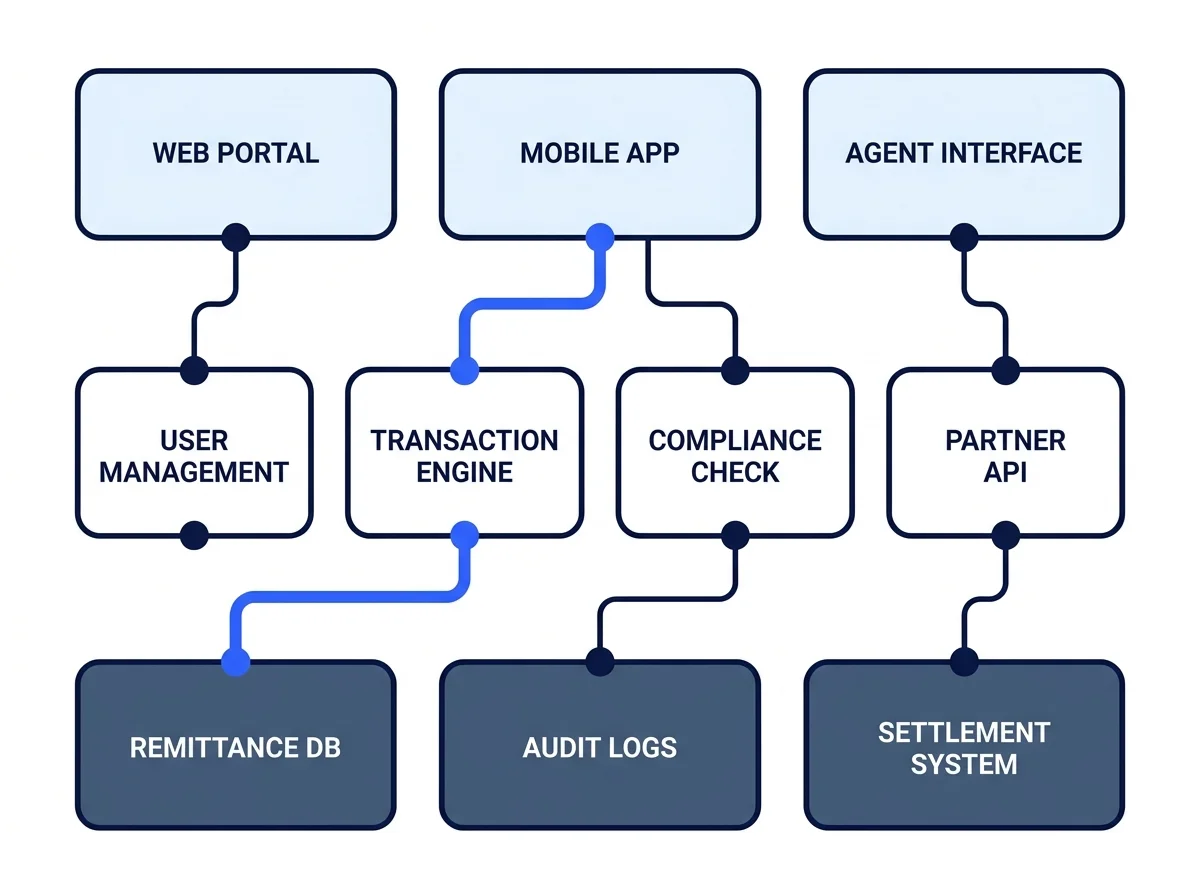
The remittance management system is the operational layer connecting customers, agents, transactions, exchange rates, fees, payments, payouts, compliance systems, partners, reconciliation and reporting. Forty modules exist, and the right set depends on your regulated operating model rather than on a feature list.
PAIRS WITH
Categories that pair here
Building it is half the work. These four decide whether what gets built is found, used and paid for.
Answers come first. Where the honest answer is no, the answer says no and explains what to do instead.
Yes. No client is taken outside cross-border money movement, which is why nobody has to explain what a payout partner or a corridor rate board is.
Yes. Apps need transfer and verification flows, agent-led operators need branch, counter and commission handling in the platform. Both are built here.
Yes. Existing analytics, CRM and event definitions are preserved or reimplemented deliberately, because losing conversion history costs more than the rebuild saves.
Yes. Corridor pages, rate rules, fee tables and payout methods are all configurable per route, so a new corridor does not require new code.
Workflows are built around your policies, controls and regulated providers. Licensing and AML questions go to a qualified adviser, which sits outside this remit.
Through funnel instrumentation: registration completion, KYC completion and first-transfer conversion are baselined before work starts and reported after every release.
One page per release: what changed, what moved in the funnel, and what did not. Regressions are reported as plainly as improvements.
The audit takes two weeks. A website usually takes eight to sixteen weeks after that, and a management system considerably longer depending on scope.
Current stack, funnel numbers, corridor and payout partner list, and access to analytics. Pre-launch teams supply the operating model instead.
Yes. Rate alerts, saved beneficiaries, transfer history and push notifications are the product features that make a second transfer easy enough to happen.
It carries corridor pages, a live rate calculator, compliance disclosures and a registration path that hands off to verification without losing the sender.
Yes, against your rate API or the platform. Showing an indicative rate that differs from checkout is a trust problem, so the source is agreed first.
Yes, through templates that take real per-route data. Templates that only swap a country name produce duplicates that rank for nothing and mislead senders.
Whichever your team will maintain. The decision follows who edits corridor content weekly, not which platform the build team prefers.
Yes, implemented against the policy your legal adviser provides. The build follows their instruction rather than offering an interpretation of it.
Accessibility is built in and tested, because a large share of senders use older devices, smaller screens and assistive settings on mobile data.
Yes, with market-level architecture and native copy. Machine translation is not used on pages carrying a fee, rate or verification claim.
Yes. Registration, lead and business enquiry events are mapped into the CRM so marketing reporting matches what the platform actually recorded.
Fast enough on a mid-range Android over mobile data, which is the honest benchmark. Desktop scores flatter the build and hide the real problem.
Copy production runs through Marketing, structure and templates run here. The two are scoped together so the design holds the words it needs.
Both, decided by feature depth, team skills and budget. Verification, funding and payout integrations usually drive that decision more than preference does.
Yes, with staged releases and preserved flows. The constraint is stated upfront: improve the experience without breaking the send flow.
KYC completion, payment success and transfer completion. All three are baselined before work starts and watched closely after every release.
Yes, including document capture, liveness and the manual review handoff. The provider and the policy stay yours, and the decisioning stays with them.
That is usually the highest-value fix in the whole app. Capture failures on older Android devices quietly cost more first transfers than any screen redesign.
Yes, including review responses and the metadata that store ranking depends on, coordinated with the App Store Optimization work in SEO.
Yes. Both are among the few features that measurably lift send frequency, so they are usually scoped early rather than left to a later phase.
Analytics SDK, mapped app events and deep linking, so paid campaigns and lifecycle messaging can both read the same funnel definitions.
Standard in the build. Security features are described accurately rather than promoted as guarantees, because no product is ever risk-free.
Yes, where the operating model uses agents. Counter workflows, commission visibility and branch reporting sit in the platform and surface in the app.
The centralised system that manages the operational lifecycle of cross-border money movement, from customer and quote through transaction, payout, settlement and reporting.
Either. Configuration and integration are usually faster and cheaper, and the audit says which route fits your corridors, volumes and operating model.
Forty modules are defined, covering customers, transactions, rates, fees, corridors, payouts, agents, compliance operations, reconciliation and reporting. Your set depends on scope.
No. Technology can support compliance operations, and the workflows are built compliance-ready, but licensing and regulatory status come from your operating model.
Twenty-five integration types are supported, including KYC, screening, payment gateways, banks, cash networks, mobile wallets, FX providers and accounting systems.
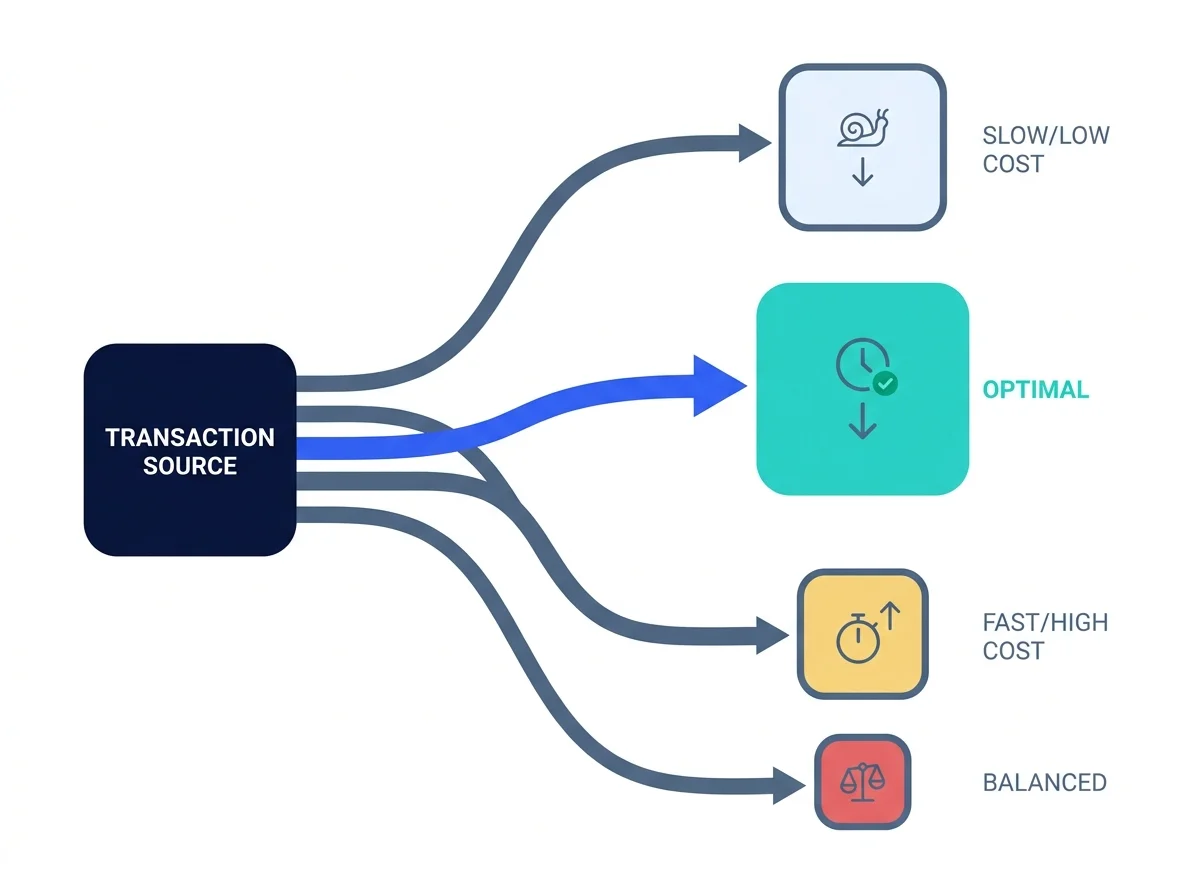
Yes. Routing selects a payout partner by cost, speed and success rate per transaction, which is where margin quietly leaks on routes nobody watches.
Yes: agent management, commission handling, branch reporting and permissions, which matter as much as the app for an agent-led operator.
Yes. Multi-country and multi-currency operations are supported, plus white-label capability where you serve partners trading under their own brand name.
Both are modules, with ledger integration and audit logs. Reconciliation exceptions are usually the first number an operations director asks about.
Longer than a website and shorter than most operators fear, though no honest range fits every scope. The audit gives yours with the assumptions stated.
Entry is a fixed-fee growth audit, quoted before commitment. Build work is fixed scope and fixed price per phase, agreed before anything starts.
Rarely, and only where scope genuinely cannot be defined. Fixed phases put the estimating risk on us, which is where it belongs.
Through funnel movement and operational cost: registration and KYC completion, first-transfer conversion, failed transfer rate and support contacts per transfer.
Phase dates, yes, with scope fixed. Anyone guaranteeing a full platform date before discovery is guessing, and the overrun lands on your budget.
You do, from the first commit. Repositories, environments and documentation are yours, and handover is part of the contract rather than a negotiation.
Post-launch monitoring, then either a support retainer or a handover to your team. Roughly one in three builds ends with the client running it alone.
Rebuilding on visual grounds, skipping tracking preservation, and buying a platform sized for a business three years ahead of the one they run.
Usually not first. A website, a payout partner integration and a manual operations process will prove the corridor before the system is worth building.
That is the intention. Standard stacks, documentation and handover sessions are included, and nothing is written to make the team dependent on us.
Then it says so, and you keep the roadmap. Talking an operator out of a rebuild costs us the largest project on the table.
NEXT STEP
Start with the stack audit
Most operators know something in the stack is costing them transfers. Two weeks and a fixed fee will say whether it is the site, the app or the platform underneath.