

Send frequency, not signups: the retention maths of remittance
A sender who transfers once is a cost. A sender who transfers monthly is a business. This is the arithmetic that should decide your entire acquisition budget, worked through with a live example.
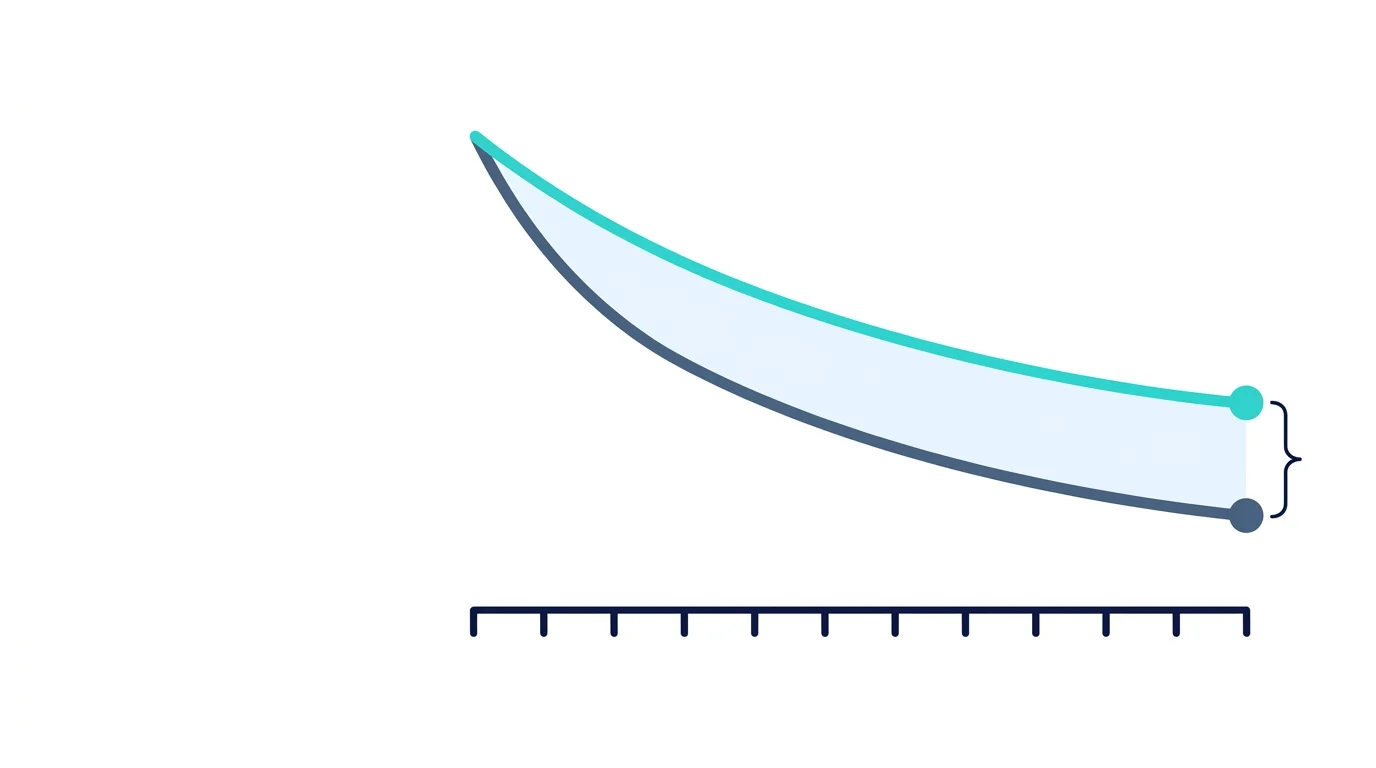
Here is a question most remittance operators cannot answer immediately: how many transfers does the average sender make in their first twelve months? Not signups, not installs, not active users. Transfers.
It is the number that determines whether your acquisition cost is affordable, and in most businesses it lives in a data warehouse nobody queries rather than on a wall anybody looks at.
The arithmetic nobody runs
Revenue per transfer in this category is small. An FX margin of one to two percent on a few hundred pounds, plus a fixed fee of a few pounds. Call it seven to ten pounds of revenue and five to seven of gross margin on a typical send.
Against that, acquisition cost per verified sender frequently runs into double digits. Which means a sender who transfers once is, straightforwardly, a loss. Two transfers might reach break-even. The business exists somewhere after that.
A sender who transfers once is a cost. A sender who transfers monthly is a business. Everything else is a detail.
This is not a subtle point and yet acquisition budgets are routinely set as though the first transfer is the finish line. It is closer to the halfway mark.
A worked example
Take a cohort of a thousand verified senders on a Gulf to South Asia corridor. Illustrative figures, but the shape is representative.
| Input | Value |
|---|---|
| Cohort of verified senders | 1,000 |
| First transfer rate | 58% |
| Average transfer value | £380 |
| FX margin | 1.8% |
| Fixed fee | £2.99 |
| Gross margin on revenue | 70% |
| Acquisition cost per verified sender | £8.00 |
Revenue per transfer works out at roughly £9.83, so gross margin per transfer is about £6.88. Now the only variable that matters.
| Scenario | Transfers per sender, 12 months | Margin per verified sender | LTV to CAC |
|---|---|---|---|
| Baseline retention | 5.98 | £23.87 | 2.98 |
| Ten points better in month two | 7.27 | £29.01 | 3.63 |
A ten point improvement in month-two retention, decaying naturally, moves the ratio from uncomfortable to workable. Same acquisition cost, same corridor, same product. The only change is how many times each sender comes back.
Retention improvements compound. Acquisition improvements do not. That is the entire argument for fixing frequency before increasing spend.
Why acquisition metrics mislead here
Acquisition metrics measure a moment. Retention metrics measure a habit. In a category where the habit is the business, optimising the moment produces a company that buys customers efficiently and keeps none of them.
There is also a reporting asymmetry. Acquisition performance is visible daily in a platform dashboard. Retention performance requires a cohort query somebody has to write. So one gets attention and the other gets mentioned in quarterly reviews.
The second send is the whole game
If you track one retention metric, track the share of first-time senders who make a second transfer within sixty days.
It is the earliest reliable signal of whether a habit is forming, and it moves faster than any other retention measure. A cohort that reaches its second transfer quickly almost always reaches a third. A cohort that does not, mostly does not return at all.
In the businesses we have worked with, roughly seventy percent of verified senders who never make a second transfer within sixty days never make one at all. The window is narrower than it feels.
What actually drives frequency
Not discounts. Discounting the second send trains a habit you do not want and permanently lowers what that sender is worth.
Frequency in remittance is driven by three things, none of which is price.
1. Timing. Senders transfer on a rhythm set by pay cycles, school fees, festivals and family events. A message arriving on the first Tuesday of the month means nothing to anyone.
2. Friction. If the second transfer requires the same effort as the first, some proportion of senders will not make it. Saved beneficiaries and one-tap repeats matter more than any campaign.
3. Confidence. A first transfer that arrived on time, with clear status updates, is the strongest driver of a second. Support and operations affect retention more than marketing does.
The six triggers that matter
Every worthwhile lifecycle programme in this category is built from transaction state rather than from dates. Six triggers carry most of the value.
– Verified with no first transfer, fired within hours rather than days.
– First transfer completed, with the second-send path made obvious immediately.
– Elapsed time beyond that sender's own interval. Someone who sends fortnightly is lapsed at week three; someone monthly is not.
– Rate movement on a corridor that sender actually uses, at a threshold meaningful to their typical amount.
– Occasion and remittance-cycle timing, built from a per-corridor calendar.
– Transfer held or delayed, handled properly. This is not a marketing message and it does more for retention than most that are.
Notice that half of these are operational rather than promotional. That is not an accident. In this category the boundary between customer experience and retention marketing is largely artificial.
What this means for your budget
Three consequences follow from the arithmetic, and they are uncomfortable in roughly ascending order.
First, a corridor with poor retention should receive less acquisition budget, not more, regardless of how cheap its installs are. Cheap acquisition into a leaky retention profile buys losses faster.
Second, lifecycle work should be funded before acquisition scaling. It is the less exciting budget line and it is the one that decides whether the exciting one works.
Third, and this is the one that causes arguments: if your LTV to CAC ratio is below three, the honest answer is usually to stop increasing acquisition spend until frequency improves. Most growth teams are not incentivised to recommend that, which is precisely why it needs saying out loud.
Run the arithmetic on your own numbers before the next budget conversation. It takes an afternoon and it tends to end the debate about where the next increment should go.
Key takeaways
- A sender who transfers once is a loss in most remittance economics. The business starts at transfer two or three.
- A ten point improvement in month-two retention moved a worked example from 2.98 to 3.63 LTV to CAC with no other change.
- Second transfer within sixty days is the earliest reliable signal of whether a habit is forming.
- Frequency is driven by timing, friction and confidence, not by price. Discounting the second send lowers sender value permanently.
- If LTV to CAC is below three, the honest recommendation is usually to fix frequency before scaling spend.
Frequently asked questions
It varies widely by corridor and business model. What matters is your own trend and whether your LTV to CAC ratio supports the acquisition cost you are paying.
Take one month of first-time senders and count their transfers over the following twelve months. Use a cohort, never a period average, which will mislead you.
Generally no. It trains a discount expectation and permanently lowers what that sender is worth. Timing and friction reduction outperform price in this category.
At that sender's own interval, not at a fixed day count. A fortnightly sender is lapsed at week three; a monthly sender is not.
Materially. A first transfer that arrived on time with clear status updates is among the strongest predictors of a second. Operations and retention are not separate problems here.
Umair Sajid · Growth Partner, Bussinesstan
Umair has spent over a decade running growth across fintech, remittance and payments, including work with money transfer operators across UK, Gulf and West African corridors. He writes about the operational side of cross-border growth, mostly the parts that do not appear in a platform dashboard.
Find your leak before you scale spend.
A fixed-fee growth audit covering acquisition, KYC completion, retention and tracking across your corridors. You keep the roadmap whether or not we work together.